

Finding the Best Lube for Anal Sex: Your Ultimate Guide

Are you trying to figure out the best lube for anal? You might be wondering if silicone or water-based is better, how much you should use, or which ingredients are safe. Since the anus doesn't self-lubricate, choosing the right lube isn't just a suggestion—it's essential for making sure everything is comfortable, safe, and incredibly pleasurable.
This guide will walk you through everything you need to know. We’ll break down the different types of lube, explain what to look for on ingredient labels, and give you practical tips so you can feel confident and prepared.
Why Choosing the Best Lube for Anal Sex Matters
Staring at a wall of lubricant options can feel overwhelming. But getting this one choice right is the key to unlocking an experience that’s comfortable, safe, and truly enjoyable.
The anus isn't built like the vagina; it doesn't have its own lubrication system. That’s why a high-quality lube is your best friend—it steps in to prevent friction, discomfort, and even tiny tears in the tissue. This guide is here to cut through the confusion and help you find exactly what you need.
The Critical Role of a Good Lubricant
The right lubricant is about so much more than just making things slippery—it’s a fundamental part of safety and heightened pleasure. A formula specifically designed for anal use can completely change the game.
Here's exactly why it's so important:
- It Prevents Friction and Pain: This is the most obvious benefit. A good lube ensures a smooth, gliding sensation that eliminates the kind of friction that leads to discomfort and pain.
- It Helps Prevent Microtears: The tissue around the anus is delicate. Lube creates a protective barrier that significantly reduces the risk of tiny tears, which is also crucial for helping lower the risk of STI transmission.
- It Boosts Comfort and Confidence: When you're not worried about pain, it's so much easier to relax, communicate with your partner, and focus on pleasure. This confidence makes a huge difference for everyone, from beginners to experienced players.
How Long Does Lube Last?
One of the biggest differences between lube types is their staying power. This is especially important for anal play, where you want consistent slickness without constantly interrupting the moment to reapply.
This chart gives you a quick idea of what to expect from each type.
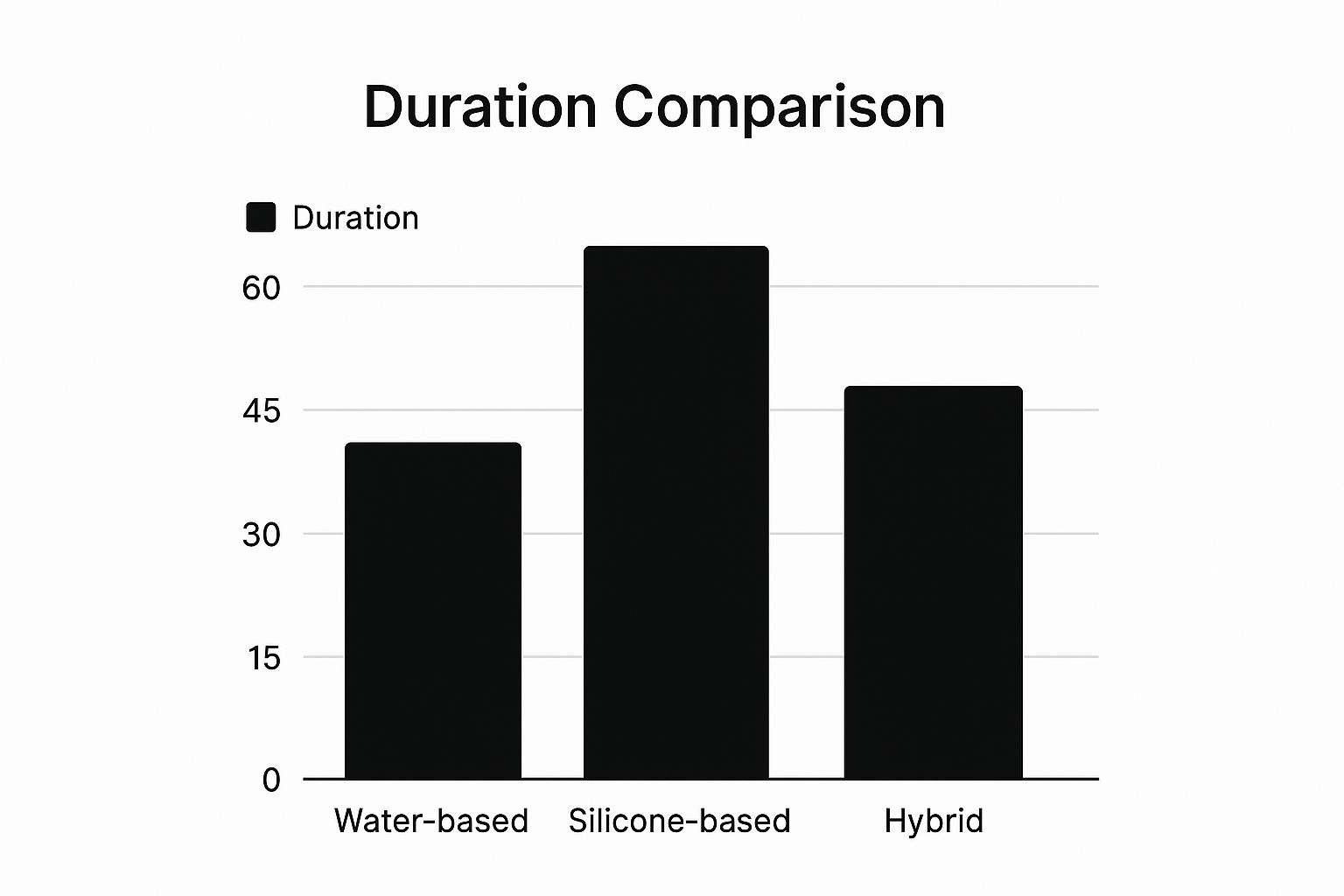
As you can see, silicone-based formulas are the marathon runners of the lube world. They provide the longest-lasting glide by a significant margin, which means fewer interruptions during longer sessions.
As open conversations about sexual wellness grow, so does the demand for effective lubricants. While issues like vaginal dryness are common, anal intercourse has unique needs. Market research shows that while water-based lubes are very popular, they often fall short for anal use because they dry out too quickly. If you want to see the data, you can read more about personal lubricant market trends.
Here’s a quick comparison to help you see the pros and cons at a glance.
Quick Lube Comparison for Anal Use
| Lube Type | Best For | Condom Safety | Toy Safety |
|---|---|---|---|
| Water-Based | Easy cleanup, safe with all toys, good for beginners. | Yes | Yes, with all materials. |
| Silicone-Based | Long-lasting glide, waterproof play, less reapplication needed. | Yes | No with silicone toys. |
| Hybrid (Water/Silicone) | A "best of both worlds" feel—creamy, long-lasting, and cleans up easier than pure silicone. | Yes | No with silicone toys. |
| Oil-Based | Massage, external play. Generally not recommended for penetrative anal sex. | No (degrades latex). | Varies, can damage some materials. |
This table should give you a solid starting point. The best choice ultimately depends on your planned activities, the toys involved, and your personal preference.
Why Silicone Lube Is a Top Contender
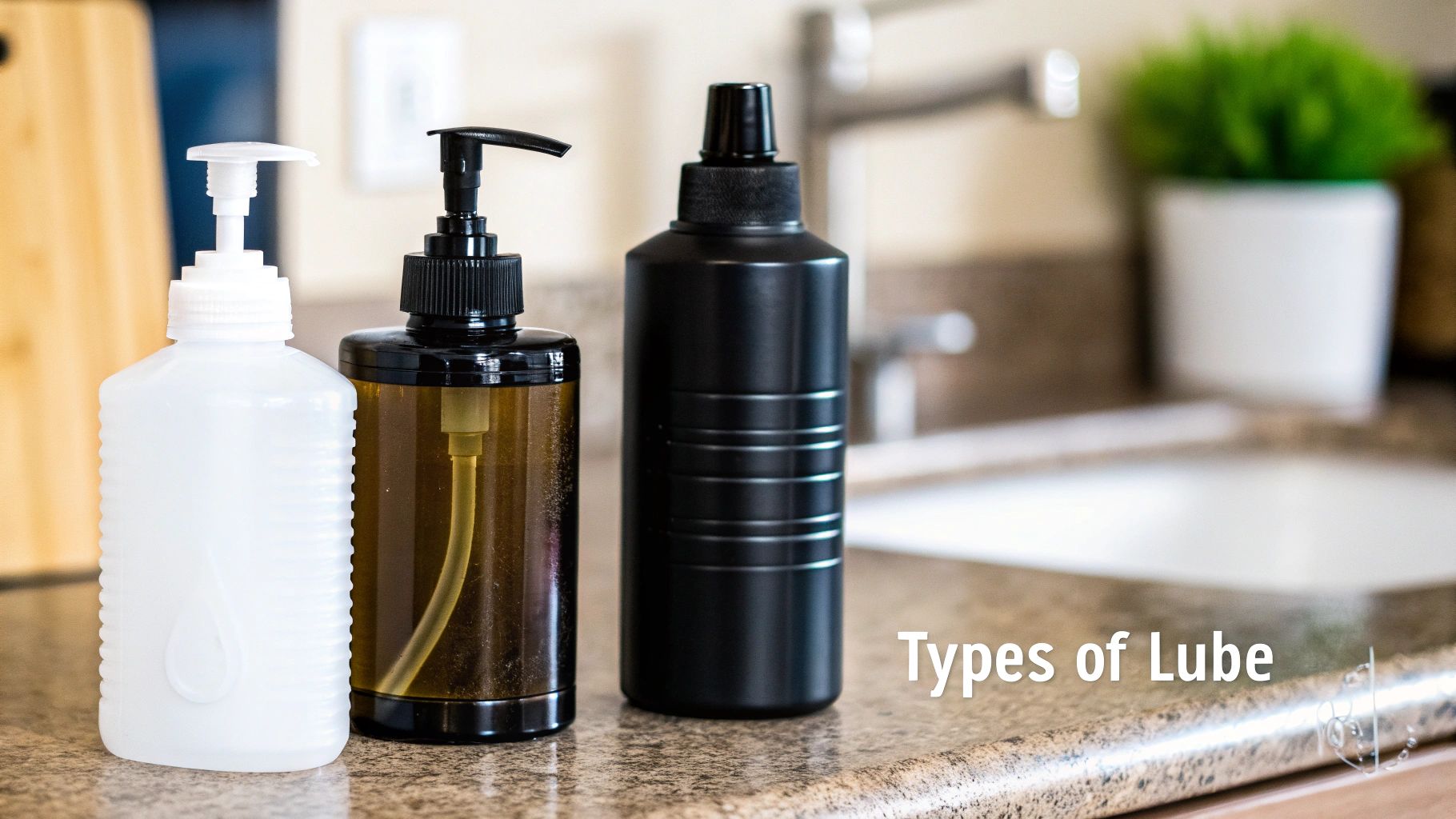
When you’re looking for a lubricant that just won't quit, silicone-based formulas are often the holy grail. They're frequently hailed as the best lube for anal because they deliver an incredibly slick, velvety glide that lasts and lasts.
The secret is how it's made. Silicone molecules are larger than water molecules, so they don’t get absorbed into the skin or evaporate. Instead, they create a protective, super-slippery barrier that dramatically reduces the need to reapply, letting you stay in the moment.
Unmatched Durability for Extended Play
Let's be real—the main reason people love silicone lube is its incredible staying power. When you're settling in for a long session, the last thing you want is friction to kill the mood. While a water-based lube might start to feel tacky after 10 minutes, a quality silicone formula keeps things gliding smoothly for much longer.
This durability is a game-changer, allowing for more spontaneous, uninterrupted experiences. Plus, it's waterproof, making it the perfect choice for shower or hot tub fun.
The market backs this up. Silicone-based lubricants hold a major share of the global market, especially for anal use. Industry analysis consistently shows that silicone formulas are far less likely to dry out or get sticky, which is critical for anal play. You can dive deeper into personal lubricant market trends to see the data.
Pro Tip: With silicone lube, a little goes a long way. Start with a pea-sized amount. You can always add more if you need it, but using too much can get messy.
Key Considerations Before You Buy
As great as silicone lube is, it’s not perfect for every situation. There are a couple of crucial things you need to know to avoid some frustrating mistakes.
- Toy Incompatibility: This is the golden rule you can’t ignore. Never use silicone lubricant with silicone toys. The lube can react with the toy's material, causing it to break down over time. It can become sticky, gummy, or even start to peel. For your silicone toys, always stick with a water-based lube.
- Cleanup Requires Soap: Because silicone repels water, a simple rinse isn't going to cut it. You'll need to use warm soap and water to wash it off your skin and any fabrics. Laying a towel down beforehand will save you a lot of hassle with the sheets later.
So, is silicone right for you? It's a trade-off. You get an ultra-slick, long-lasting glide in exchange for more effort in cleanup and being mindful of your toy collection.
Exploring Water-Based and Hybrid Options
Silicone lubes are known for their staying power, but water-based and hybrid options have serious advantages. For many people, a high-quality water-based formula is the best lube for anal because it's the ultimate crowd-pleaser.
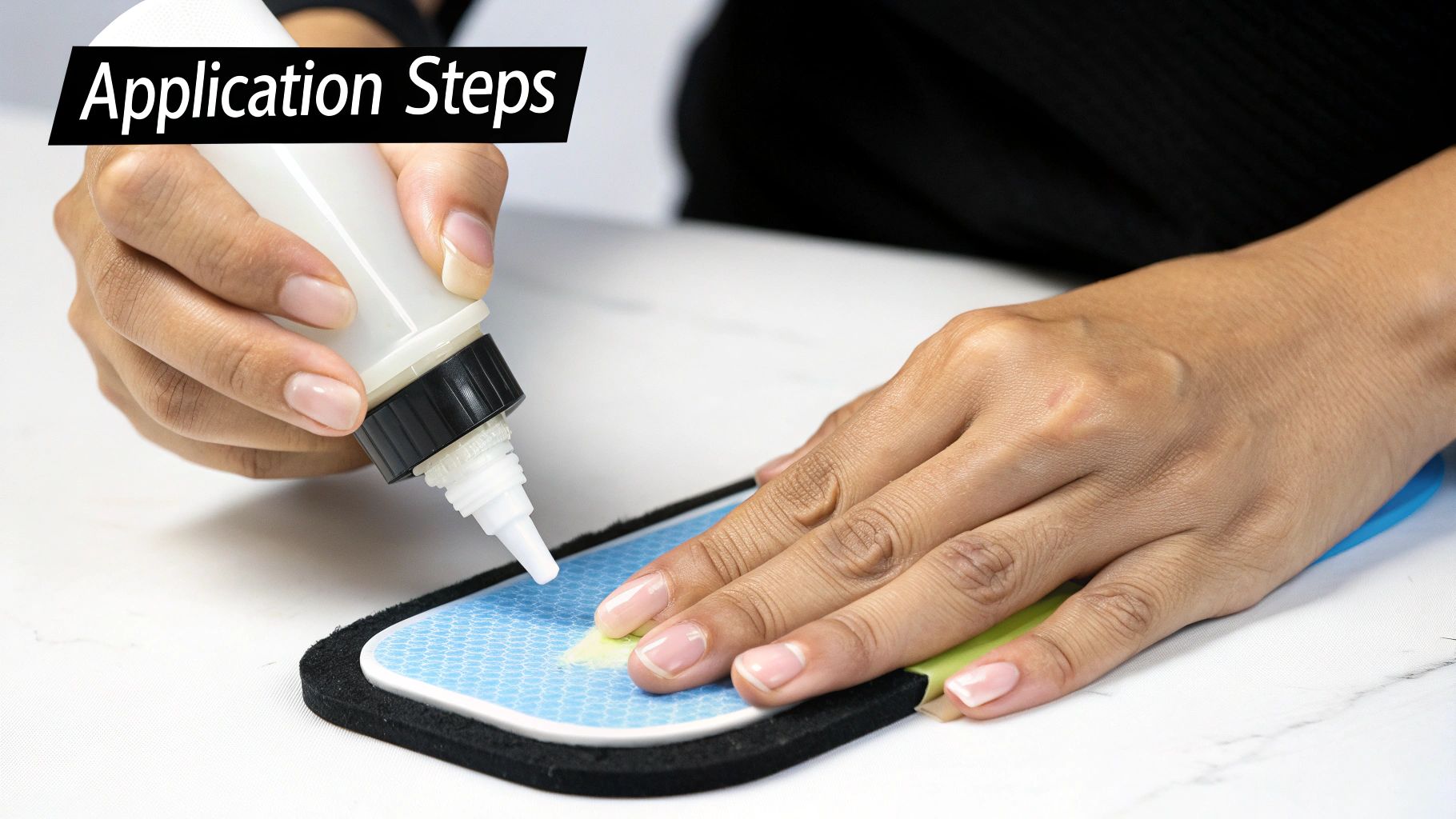
What makes them so popular? They are incredibly easy to use. Since they're water-soluble, cleanup is a breeze—a little water is all it takes, and you don’t have to worry about stained sheets. Most importantly, they are completely safe with all condoms and every single sex toy out there, even your favorite silicone ones.
The Unbeatable Versatility of Water-Based Lube
The biggest win for water-based lubricants is their versatility. You never have to pause and wonder if it’s compatible with your favorite toy or condom. This reliability removes a layer of stress, letting you stay in the moment.
The one downside is that water-based lubes tend to dry out faster than silicone. Because our bodies absorb the water, you'll probably need to reapply during a longer session.
Expert Tip: Don't let reapplication scare you off. The fix is simple: just keep the bottle within arm's reach. A quick squeeze can easily be worked into foreplay, keeping things slick and comfortable without missing a beat.
Hybrid Lubes: The Best of Both Worlds?
What if you love the easy cleanup of a water-based lube but wish it had more stamina? That's where hybrid lubes come in. Think of them as a "best of both worlds" solution, blending a water-based formula with a touch of high-grade silicone.
This combination creates a uniquely creamy, slick texture that lasts much longer than a standard water-based product. You get a luxurious, silky glide that feels amazing, but it still washes away far more easily than a 100% silicone formula. For many, this balance makes a hybrid the clear winner for the best lube for anal sex.
A hybrid formula is a fantastic choice if you're:
- Dealing with sensitive skin: The creamy texture is often found to be gentle and hydrating.
- Looking for an all-purpose lube: It’s a great go-to for different kinds of play.
- Planning for a longer session: It gives you that extra endurance you crave without constant reapplication.
One critical thing to remember: just like pure silicone lubes, hybrids are not recommended for use with silicone toys. The silicone in the lube can react with the toy's material. Always check what your toys are made of and use a 100% water-based option for your silicone collection. We have a great selection of body-safe anal toys that pair perfectly with water-based lubricants.
How To Read Lube Ingredient Labels
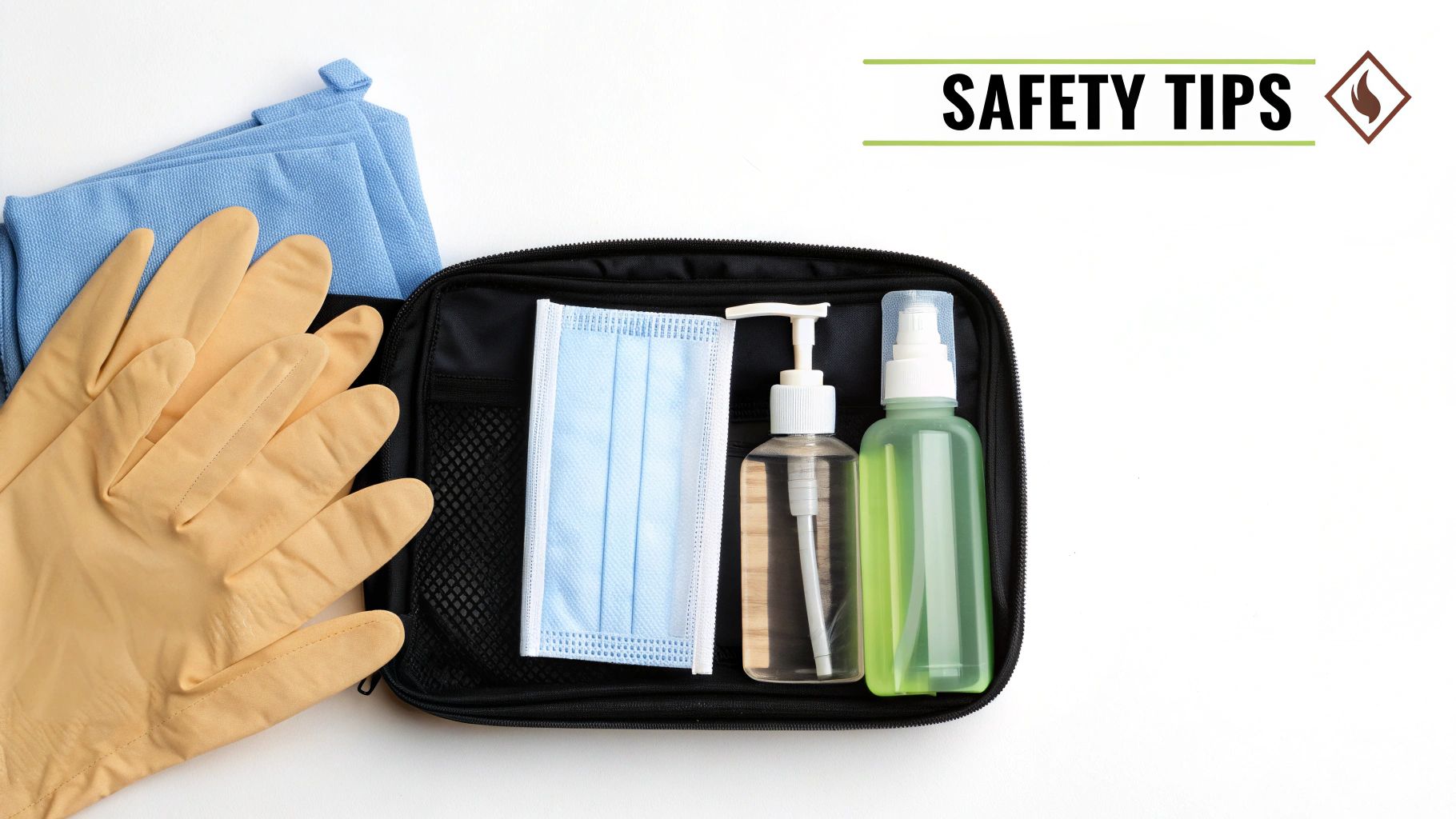
Flipping over a lube bottle and seeing a long list of chemical names can be intimidating. But understanding what's in your lubricant is one of the most important things you can do for your health and pleasure.
Think of it as being a smart consumer. Once you know what to look for, you can easily spot the good, body-safe ingredients and avoid the ones that might cause irritation.
The Good Stuff: What You Want To See
When you're scanning that label, think of certain ingredients as green flags. They signal a high-quality formula designed with your body's well-being in mind.
Keep an eye out for these beneficial ingredients:
- Hyaluronic Acid: This is a hydration powerhouse. It’s fantastic at holding onto water, giving you a smooth, long-lasting glide without irritating sensitive skin.
- Aloe Vera: Known for its soothing properties, aloe is a wonderful, natural addition to water-based and hybrid lubes.
- Vitamin E: Often included for its skin-conditioning benefits, Vitamin E helps keep delicate tissues healthy and soft.
Finding these on a label is a good sign the brand cares about skin health.
Red Flags: Ingredients To Avoid
Just as important as knowing what to look for is knowing what to avoid. Many common additives can cause irritation, mess with your body's natural balance, or introduce health risks.
Here are ingredients to be cautious about:
- Glycerin and Certain Glycols: These sugar-based compounds can disrupt your natural pH balance and have been linked to a higher risk of yeast infections.
- Parabens: You'll see these listed as methylparaben or propylparaben. They're preservatives that some research suggests could interfere with hormone function.
- Fragrances and Flavors: "Fragrance" can hide a cocktail of unknown chemicals. These additives are a common cause of irritation and allergic reactions.
- Numbing Agents: Ingredients like benzocaine or lidocaine desensitize the area. This is risky because they can mask pain, your body's essential warning signal. If you're looking for something to help you relax, our guide to the best numbing anal lube explores formulas with natural relaxants instead.
To make this easier, here’s a quick-glance table to help you decode labels on the fly.
Lube Ingredient Safety Checklist
| Ingredient | Why It Matters (Good or Bad) | Found In |
|---|---|---|
| Hyaluronic Acid | (Good) Excellent, body-safe hydrator that provides a long-lasting, natural-feeling glide. | High-quality water-based lubes |
| Glycerin | (Bad) A sugar that can disrupt pH balance and may contribute to yeast infections. | Many water-based lubes |
| Aloe Vera | (Good) Soothing and naturally slick, great for calming sensitive skin. | Water-based and hybrid lubes |
| Parabens | (Bad) Preservatives (e.g., methylparaben) that some studies link to hormone disruption. | Older or cheaper lube formulas |
| Silicone | (Good) Body-safe, long-lasting, and waterproof. Just don't use it with silicone toys! | Silicone-based and hybrid lubes |
| Fragrance/Flavor | (Bad) Often contain irritating chemicals and are a common cause of allergic reactions. | Flavored or scented lubes |
| Benzocaine | (Bad) A numbing agent that blocks pain signals, which can lead to injury. | Desensitizing or "numbing" lubes |
Ultimately, simpler is almost always better when it comes to lube ingredients.
The Science Bit: Why Osmolality Matters
This is one of the most important concepts for anal lube safety, but most people have never heard of it: osmolality. In simple terms, osmolality is a measure of concentration.
Why does this matter for your butt? Because your rectal tissues are made of cells full of water. A lube with high osmolality (hyperosmotic) is super concentrated and acts like a sponge, pulling water out of your rectal tissues. This leaves them dehydrated, fragile, and more vulnerable to tears.
A body-safe lube is isotonic, meaning it has a similar concentration to your body’s cells. It hydrates tissues instead of drying them out, keeping them healthy and resilient. Choosing a lube with low osmolality is one of the best things you can do for a comfortable experience.
Practical Tips for Using Anal Lube
Picking the right product is a big win, but how you use it is what makes an experience incredible. Having the best lube for anal is only half the battle. Application, timing, and cleanup are where the real magic happens.
These tips will help make every moment—from prep to aftercare—feel smoother, more connected, and focused on pleasure.
How Much and How Often to Apply
When it comes to anal lube, the golden rule is simple: when in doubt, add more. There's no such thing as "too much," and being generous is your best defense against friction. A quarter-sized dollop is a solid starting point, but listen to your body.
The second you feel any hint of drag, that's your cue to reapply. For water-based lubes, you might need to reapply every 10–15 minutes. With a high-quality silicone formula, you'll get a lot more mileage between applications.
Pro Tip: Don't let reapplication be an awkward pause. Weave it into the experience. Turn it into a sensual moment of massage and a chance to check in with your partner.
Smart Application Techniques for Everyone
Getting the lube where it needs to be ensures everything is slippery and ready from the start. This helps build comfort and confidence for everyone involved.
Here are a couple of tried-and-true techniques:
- For the receiving partner: Begin by applying a good amount externally around the anus. Use your fingers to gently massage the area. This helps the muscles relax and preps you for entry.
- For the giving partner: Lube up whatever is doing the entering—a finger, a penis, or a toy. This "double-lubing" approach creates a slick barrier on both surfaces for a silky-smooth glide.
Nailing these basics is a game-changer, especially if you're just starting out. Our guide on building your first anal starter kit has more great advice.
Keeping It Clean and Mess-Free
Let's be honest—lube can get messy. But a little forethought can make all the difference, so you can feel free and uninhibited without worrying about your sheets.
First, designate a special "play towel." Laying down a dark-colored, absorbent towel before you start is the easiest way to protect your furniture and linens from spills.
When you're done, how you clean up depends on your lube.
- Water-Based & Hybrid: These are easy to clean. Warm water and gentle soap are all you need. They'll come right out of fabrics in a regular laundry cycle.
- Silicone-Based: Since silicone repels water, you'll need soap to break it down. A warm, soapy shower is the best way to get it off your skin. For fabrics, pre-treating with a stain remover can help lift any residue before washing.
Got Questions About Anal Lube? We’ve Got Answers
Even after breaking down all the options, you probably still have a few questions. That’s totally normal. Let's tackle some of the most common things people ask about choosing and using the right lube for anal play.
What About Using Oils, Like Coconut Oil?
I get this one a lot. While oils like coconut oil are incredibly slippery, they’re generally not a great idea for anal sex. The biggest issue? Oil degrades latex condoms, causing them to break, which is a massive risk.
On top of that, oils are a pain to clean up and can trap bacteria, potentially leading to irritation. Your safest bet is to always stick with a high-quality silicone, water-based, or hybrid lube made specifically for sex.
Seriously, How Much Lube Is Enough?
There's no single right answer, but the golden rule is: be generous. When you think you’ve used enough, add a little more.
A good starting point is a dollop about the size of a quarter, but don't hesitate to reapply the second you feel even a hint of friction. The goal is to make things slick, comfortable, and completely free of any painful drag.
The best advice I can give is to listen to your body and your partner. If it starts to feel even a little bit dry, pause and add more lube. It is always better to have a slippery mess than to not use enough.
Are Those Warming and Tingling Lubes Okay for Anal?
Specialty lubes that create a warming or tingling feeling can add a fun new layer to your experience, but you need to be smart about it. The ingredients that create those sensations (like menthol or capsaicin) can sometimes be too intense for the delicate tissues of the anus.
If you’re curious to try one, here’s how to do it safely:
- Prep with a neutral lube first. Make sure everything is already well-lubricated before adding a sensation lube.
- Always do a patch test. Try a tiny bit on your inner arm first to check for any negative reactions.
- Introduce it slowly. Use a very small amount and see how it feels before going all in.
Taking these precautions allows you to explore new sensations without any nasty surprises. For more practical tips on getting started, check out our guide on using your first time anal dildo.
Ready to find the perfect lubricant for your needs? At My Luxury Toys, we've curated a collection of premium, body-safe lubes designed for every preference and type of play. Explore our collection of lubes and accessories now.