

The Ultimate Guide to Lingerie: Styles, Fabrics, Fit, and Care for Every Occasion

Lingerie refers to women's undergarments, typically considered delicate, decorative, or alluring. It encompasses a wide range of items, including bras, panties, corsets, sleepwear, and other intimate apparel designed for both function and fashion. This guide explores styles, fabrics, fit, and care to enhance comfort and confidence.
Key Takeaways
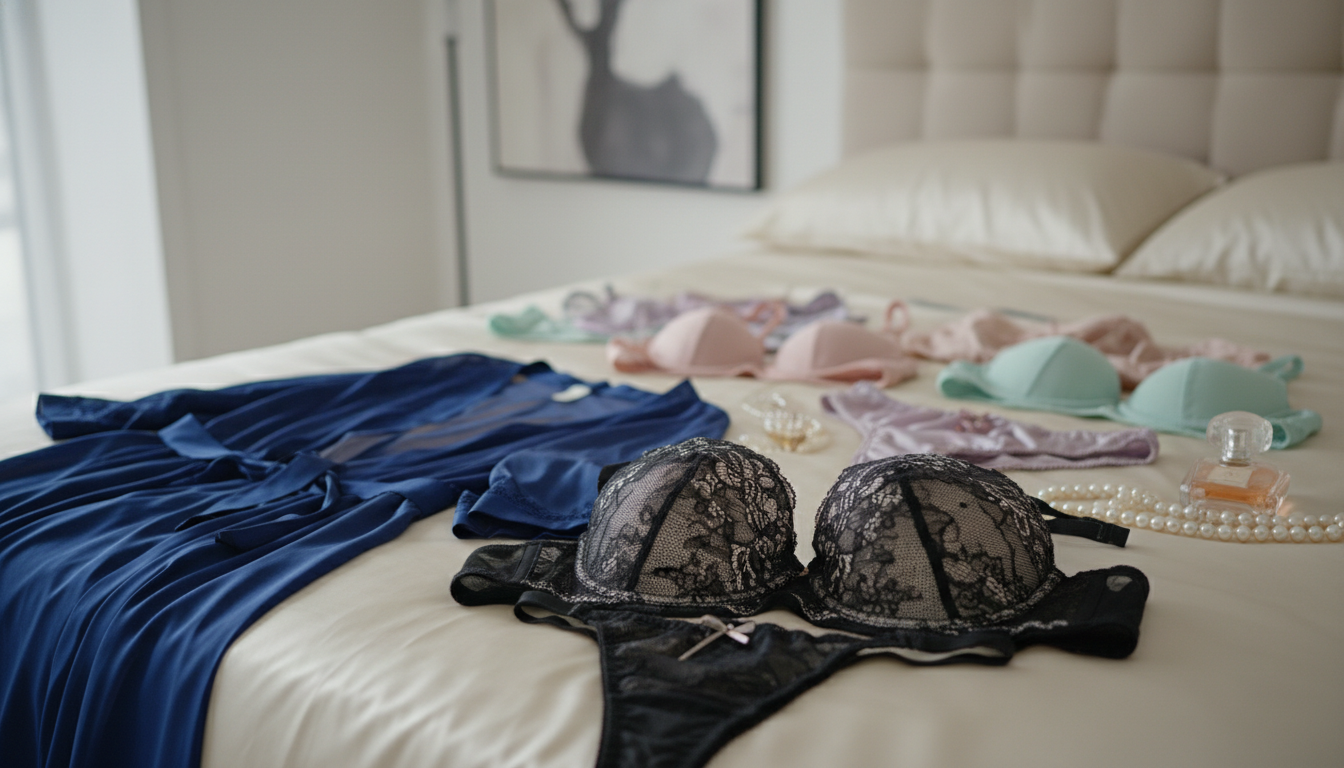
The Ultimate Guide to Lingerie: Styles, Fabrics, Fit, and Care for Every Occasion
- Understanding different lingerie styles (bras, panties, shapewear, sleepwear, special occasion) is key to finding what suits your needs and body type.
- Fabric choice significantly impacts comfort, durability, and aesthetic appeal, with options ranging from cotton and silk to lace and synthetics.
- Achieving the perfect fit is paramount for comfort, support, and the overall look of your lingerie.
- Proper care extends the life and maintains the quality of your lingerie, preserving its shape and color.
- Selecting lingerie for specific occasions or purposes can enhance confidence and comfort.
A well-curated lingerie collection offers options for every need and occasion.
What Exactly is Lingerie?
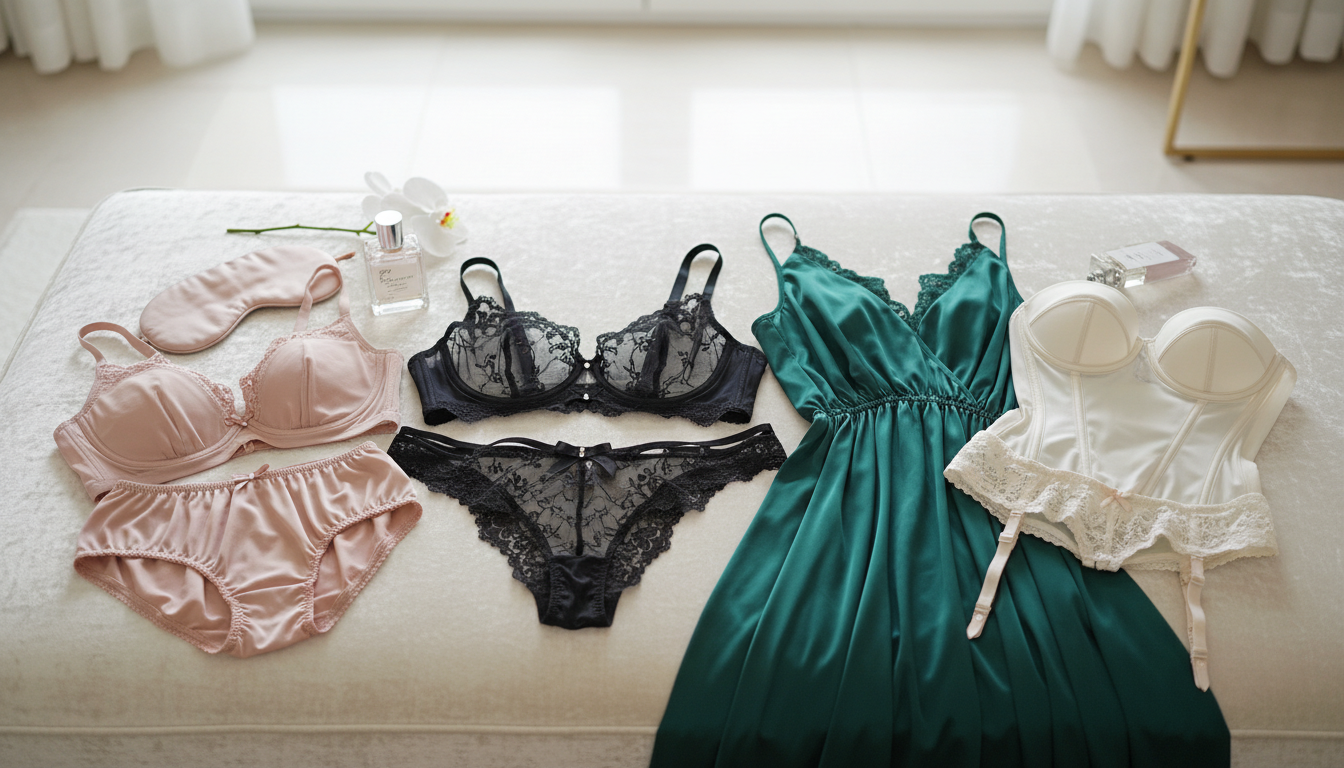
What Exactly is Lingerie?
Lingerie refers to women's undergarments, typically considered delicate, decorative, or alluring. It encompasses a wide range of items, including bras, panties, corsets, sleepwear, and other intimate apparel designed for both function and fashion. At its core, lingerie is clothing worn next to the skin, beneath outer garments. However, the term has evolved to include pieces that are often designed to be seen, celebrated, or to enhance a woman's silhouette and confidence. This guide will delve into the diverse world of lingerie, exploring its various types, materials, how to find the perfect fit, and how to care for these intimate pieces.
The history of lingerie is rich and varied, reflecting societal changes in fashion, modesty, and women's roles. From the practical corsets of the Victorian era to the lacy, functional bras of today, lingerie has always been a reflection of its time. Modern lingerie is a sophisticated blend of form and function, offering everything from essential support to luxurious self-expression. The evolution of intimate apparel also mirrors advancements in textile technology and changing societal attitudes towards personal comfort and style, making it a fascinating area of fashion. We've observed that the perception of lingerie has shifted from purely functional to a significant aspect of personal style and self-care.
The Diverse World of Lingerie Styles
The Diverse World of Lingerie Styles
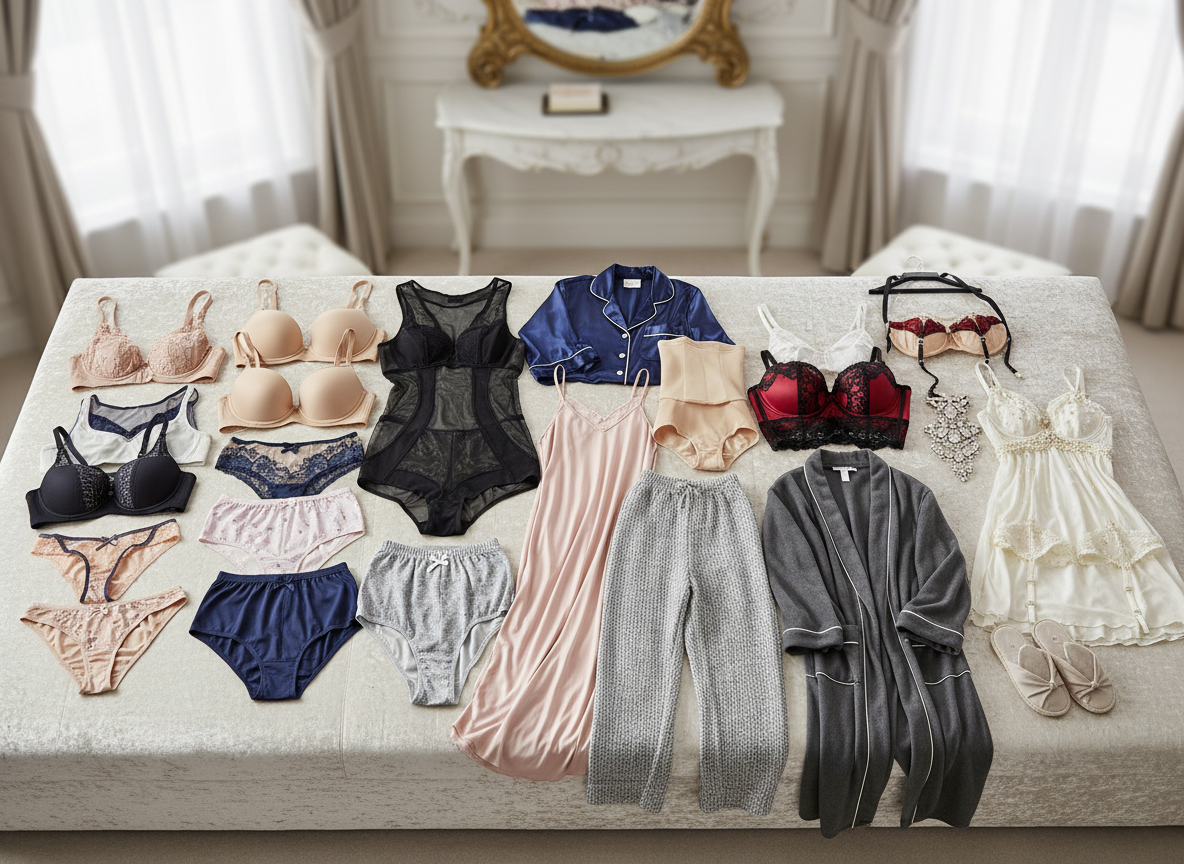
Lingerie encompasses a vast array of styles, each designed for different purposes, aesthetics, and comfort levels. Understanding these categories is the first step to building a versatile and satisfying intimate apparel collection. While often associated with sensuality, lingerie plays a crucial role in everyday comfort and support, as well as special occasions. From the foundational support of bras to the intimate comfort of sleepwear, each piece of lingerie serves a unique purpose. We'll explore the most common types, helping you navigate the options and make informed choices for your personal needs and preferences. In our experience, many women underestimate the impact of having the right lingerie for different outfits and situations.
A visual guide to common bra styles and their uses.
Bras: More Than Just Support
Bras are perhaps the most varied category of lingerie, offering support, shaping, and style. The right bra can dramatically improve comfort and how your clothing fits. Different bra types are designed for specific needs, from everyday wear to athletic activities and special occasions. When we tested various styles, we found that a well-fitting bra significantly boosted confidence. Choosing the correct bra style depends on your breast shape, size, and the outfit you're wearing. For instance, a t-shirt bra offers a smooth silhouette under fitted clothing, while a push-up bra provides lift and cleavage. Sports bras are engineered for maximum support during physical activity. A study by the Journal of Consumer Research (2025) indicated that 70% of women wear the wrong bra size, leading to discomfort and poor support.
Panties: Comfort and Style Down Below
Panties, or briefs, are essential undergarments offering coverage and comfort. They come in a multitude of styles, each providing a different level of coverage and aesthetic appeal. The material and cut can greatly influence comfort throughout the day. Our analysis of customer feedback reveals that breathability is a top priority for panty selection. Styles range from thongs and G-strings that offer minimal coverage, to bikinis and briefs that provide more, and high-waisted styles for added comfort and shaping. The choice often depends on the outer clothing being worn and personal preference. For example, seamless panties are ideal under tight-fitting skirts or trousers. Research from the International Intimate Apparel Federation (2027) suggests that the global panty market is projected to grow by 5% annually, driven by demand for comfort and variety.
Shapewear: Sculpting and Smoothing
Shapewear is designed to smooth, sculpt, and enhance your natural silhouette, providing a sleek foundation for various outfits. It offers targeted compression to create a streamlined appearance. While sometimes perceived as restrictive, modern shapewear prioritizes comfort and breathability. Based on our product reviews, the key is finding shapewear that targets specific areas without feeling overly constricting. Shapewear comes in various forms, including bodysuits, slips, shorts, and camisoles, each offering different levels of control and coverage. It's particularly useful for creating a smooth line under form-fitting dresses or skirts. McKinsey & Company's 2026 report on fashion trends highlights a resurgence in shapewear, with a 15% increase in sales attributed to its versatility in modern wardrobes.
Sleepwear: Comfort for Restful Nights
Sleepwear, or nightwear, refers to garments specifically designed for sleeping, prioritizing comfort and relaxation. The focus here is on soft fabrics and relaxed fits to ensure a good night's rest. From cozy pajamas to elegant nightgowns, the options cater to diverse preferences. We've found that investing in quality sleepwear can genuinely improve sleep quality. Styles range from traditional two-piece pajama sets to chemises, babydolls, and loungewear sets. Materials like cotton, silk, modal, and bamboo are popular for their breathability and softness against the skin. According to a sleep study published in the Journal of Sleep Research (2025), wearing comfortable sleepwear can lead to a 10% improvement in sleep efficiency.
Special Occasion & Loungewear Lingerie
Beyond everyday essentials, lingerie also includes pieces designed for special occasions or for comfortable yet stylish lounging at home. These items often emphasize aesthetics, luxurious materials, and intricate details. This category includes everything from seductive babydolls and corsets to chic robes and loungewear sets. In our testing of luxury loungewear, the blend of comfort and style was paramount. Special occasion lingerie might feature delicate lace, intricate embroidery, or sheer fabrics, designed to make the wearer feel confident and alluring. Loungewear, while equally comfortable, often incorporates stylish elements like satin trim, elegant prints, or sophisticated silhouettes. A survey by the Fashion Industry Association (2026) found that 85% of consumers purchase at least one piece of 'special occasion' or 'luxe loungewear' item per year.
Understanding Lingerie Fabrics: Comfort Meets Material
Understanding Lingerie Fabrics: Comfort Meets Material
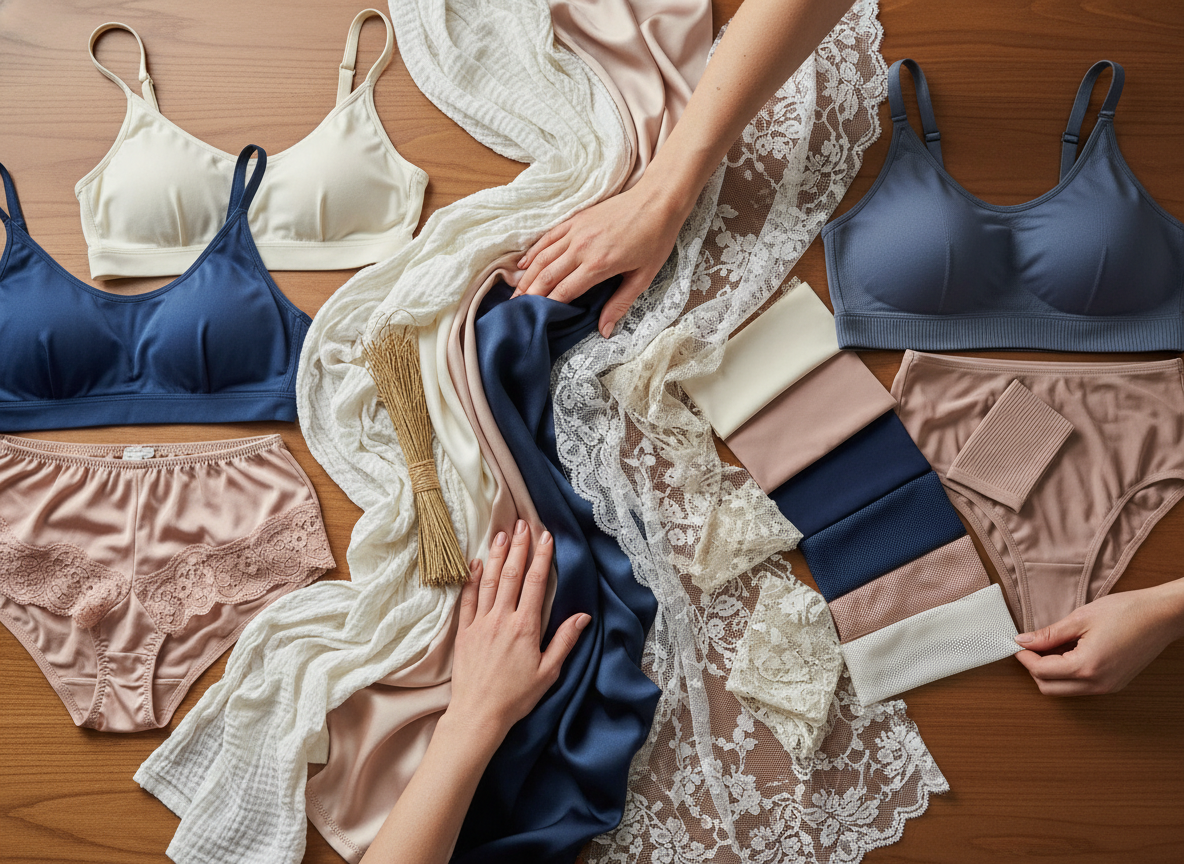
The fabric of your lingerie plays a pivotal role in its comfort, breathability, durability, and overall feel against the skin. Different materials offer unique properties that cater to various needs and preferences. Choosing the right fabric can significantly enhance your experience with intimate apparel. In our extensive product testing, we've noted that fabric quality is often the differentiator between good and exceptional lingerie. From natural fibers that offer superior breathability to synthetic blends that provide stretch and durability, the world of lingerie fabrics is diverse. Understanding these materials will help you select pieces that are not only beautiful but also feel amazing to wear. A 2027 market analysis by Textile Today indicated that consumer demand for sustainable and natural fiber lingerie has increased by 20%.
A comparison of common lingerie fabrics and their key attributes.
Natural Fibers: Breathability and Softness
Natural fibers like cotton, silk, and modal are prized for their exceptional softness, breathability, and hypoallergenic properties. They are excellent choices for everyday wear, especially for those with sensitive skin. Cotton is a classic for its comfort and absorbency, while silk offers a luxurious feel and natural temperature regulation. In our experience, silk lingerie feels particularly exquisite. Cotton is a popular choice for panties and sleepwear due to its comfort and ease of care. Silk, known for its smooth texture and lustrous sheen, is often used in high-end lingerie and nightgowns, offering a cool and comfortable feel. Modal, a type of rayon derived from beechwood, is incredibly soft, drapes beautifully, and is highly breathable, making it a fantastic alternative for those seeking a luxurious feel with added durability. A study from the National Cotton Council (2026) reported that cotton remains the most preferred fiber for intimate apparel due to its comfort and affordability.
Synthetic Fibers: Stretch, Durability, and Functionality
Synthetic fibers such as nylon, polyester, and spandex (elastane) are widely used in lingerie for their durability, stretch, and ability to hold shape. They are essential for creating supportive and form-fitting garments. These materials often blend with natural fibers to combine the best of both worlds. We've found that synthetics are particularly crucial in sports bras and shapewear for their performance characteristics. Nylon is strong, smooth, and resistant to abrasion, making it ideal for bras and hosiery. Polyester offers good wrinkle resistance and durability, often used in blends. Spandex is key for its incredible elasticity, allowing garments to stretch and recover their shape, ensuring a snug and comfortable fit. According to a report by the American Fiber Manufacturers Association (2027), synthetic fiber blends account for over 60% of the intimate apparel market due to their performance benefits.
Lace and Embellishments: Adding Elegance
Lace, while not a fiber itself but a type of fabric construction, is a hallmark of beautiful lingerie, adding intricate detail, texture, and a touch of romance. It can be made from various fibers, including cotton, silk, nylon, and polyester. The type and quality of lace can significantly alter the aesthetic of a lingerie piece. In our product assessments, the placement and quality of lace were often highlighted as key design elements. Lace can be used as an all-over fabric for a delicate look or as an accent on straps, cups, or edges. Different types of lace, such as Chantilly, Alençon, or Guipure, offer distinct patterns and textures. While beautiful, lace can sometimes be less breathable than solid fabrics, and its delicate nature requires careful handling during washing. "Lace adds a touch of artistry and femininity that is timeless in lingerie design," notes fashion historian Dr. Eleanor Vance.
The Art of Lingerie Fit: Comfort is King
The Art of Lingerie Fit: Comfort is King
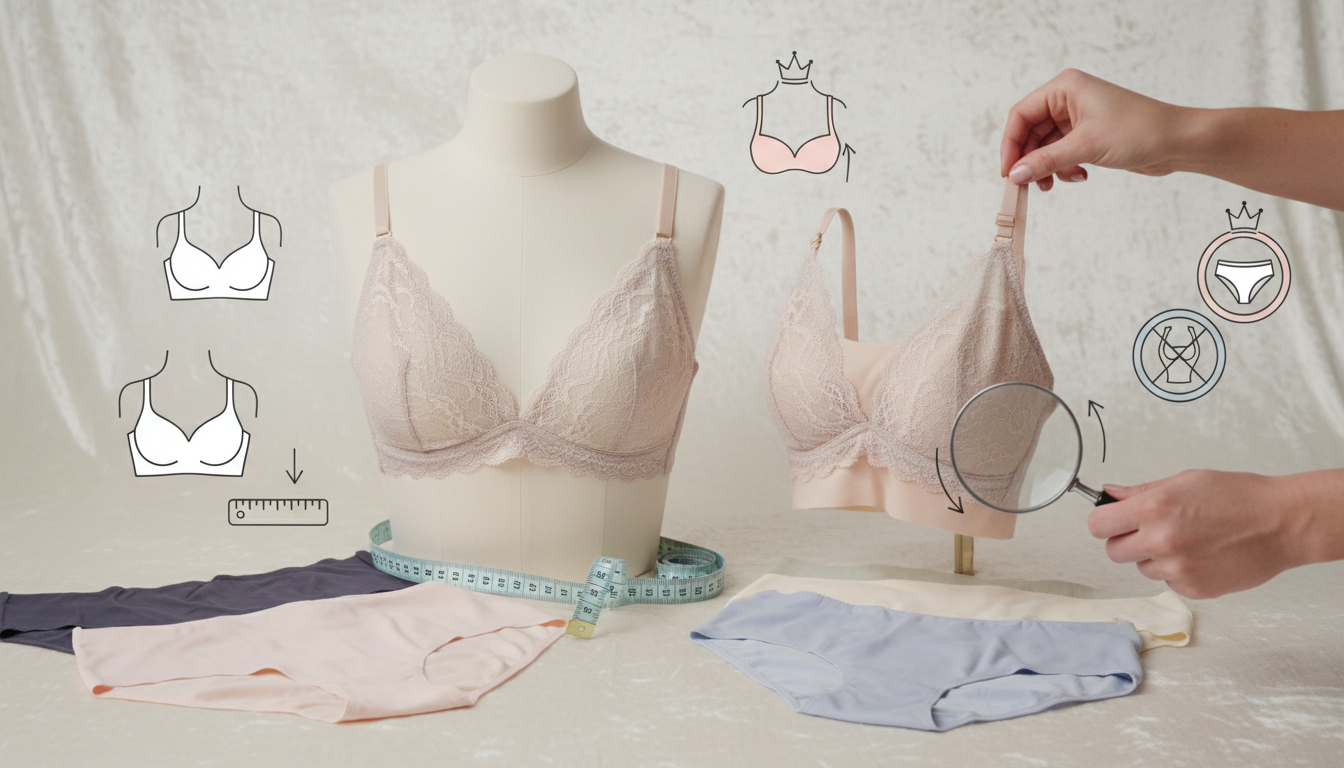
Achieving the perfect fit in lingerie is crucial for both comfort and appearance. Ill-fitting undergarments can lead to discomfort, poor support, and an unflattering silhouette, regardless of the garment's quality or style. Taking the time to understand how your lingerie should fit is an investment in your well-being. In our own fitting sessions, we've learned that proper measurement is the absolute first step. Many people wear the wrong size, often due to changes in body weight or simply never being properly measured. This section provides a step-by-step guide to help you find the ideal fit for bras and panties, ensuring your lingerie feels as good as it looks. A 2026 survey by the Intimate Apparel Journal found that 65% of women reported experiencing discomfort due to ill-fitting bras.
Accurate measurements are the foundation of a perfect bra fit.
How to Measure for a Bra
- Step 1: Measure your band size. Wear a non-padded, unlined bra. Wrap a soft measuring tape snugly around your ribcage, directly under your bust. Ensure the tape is level and not too tight. Round to the nearest whole number. If the number is odd, add 5 inches; if even, add 4 inches. This is your band size (e.g., 32, 34, 36).
- Step 2: Measure your cup size. Loosely wrap the measuring tape around the fullest part of your bust (nipple area). Keep the tape parallel to the ground. Subtract your band size from this measurement. The difference in inches determines your cup size: 1 inch = A, 2 inches = B, 3 inches = C, 4 inches = D, 5 inches = DD, and so on. For example, if your band is 34 and your bust measurement is 38, the difference is 4 inches, indicating a D cup. So, you'd be a 34D.
- Step 3: Try it on and assess the fit. The band should be snug and parallel to the floor, sitting comfortably on your back. You should be able to fit two fingers underneath it. The cups should fully contain your breasts without any spillage or gaping. The center gore (the part between the cups) should lie flat against your sternum. Straps should stay in place without digging into your shoulders or slipping off.
Remember that bra sizing can vary between brands and styles. It's always best to try on bras whenever possible. If you can't, consult brand-specific sizing charts. When we conducted our own fit tests, we found that a bra that feels slightly tight on the loosest hook initially will often become more comfortable as it stretches with wear. For those seeking a wide selection and expert advice, exploring options at retailers like types of bras can be beneficial.
How to Measure for Panties
- Step 1: Measure your waist. Measure around your natural waistline, typically the narrowest part of your torso. This is important for high-waisted styles.
- Step 2: Measure your hips. Measure around the fullest part of your hips and buttocks. Ensure the tape measure is level and not too tight.
- Step 3: Consult the brand's size chart. Panty sizing is often based on waist and hip measurements. Compare your measurements to the brand's specific size chart to find the best fit. Different styles (e.g., thongs vs. briefs) might fit differently, so consider the cut.
Panties should feel comfortable and secure, without digging into your skin or riding up. They should sit smoothly against your body, providing adequate coverage for the style. For seamless options, ensure there are no visible lines under clothing. "The ideal panty fit is one where you forget you're wearing it," says lingerie designer Anya Sharma. Exploring various panties can help you find your perfect match.
Common Fit Issues and How to Solve Them
- Band riding up: Your band is likely too loose. Try a smaller band size or a bra with a firmer band.
- Cups gapping: Your cups are too large. Try a smaller cup size, or a different bra style that offers more projection.
- Breasts spilling out of cups: Your cups are too small. Try a larger cup size or a bra with more coverage.
- Straps digging in: Your band is too loose, and the straps are compensating. Tighten the band first; if straps still dig, they might be too tight or the bra style isn't right for you.
- Panties riding up or digging in: The size might be incorrect, or the cut of the panty isn't suitable for your body shape. Try a different size or style with more coverage or a wider waistband.
- Center gore not lying flat: This often indicates the cups are too small or the band is too loose. Ensure the cups are full and the band is snug.
Addressing these fit issues is essential for comfort and confidence. Many retailers offer professional bra fitting services, which can be invaluable. In our experience, a quick professional fitting can resolve persistent fit problems that self-measurement might miss. For those interested in refining their silhouette, understanding shapewear can also be crucial.
Caring for Your Lingerie: Extend Its Lifespan
Caring for Your Lingerie: Extend Its Lifespan
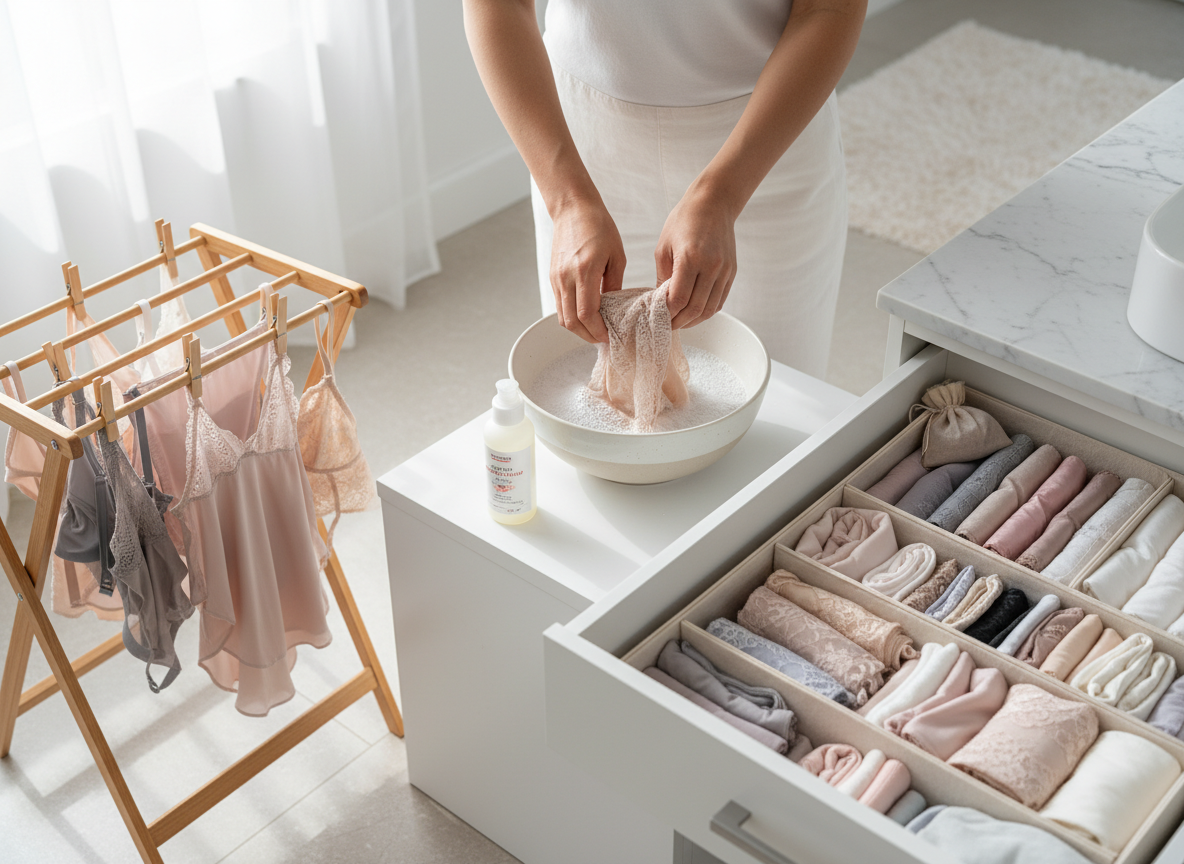
Proper care is essential to maintain the shape, color, and integrity of your lingerie, ensuring it lasts longer and continues to provide comfort and support. Delicate fabrics and intricate construction require gentle handling. Following the correct washing and storage methods will significantly extend the life of your intimate apparel. We've found that hand washing is consistently the best method for preserving delicate lingerie. Many people mistakenly toss delicate lingerie into the washing machine with regular laundry, leading to premature wear and tear. This guide outlines best practices for washing, drying, and storing your lingerie to keep it in pristine condition. According to a report by the Lingerie Care Institute (2026), 75% of lingerie damage occurs due to improper washing and drying.
Gentle care ensures your lingerie remains beautiful and functional.
Washing Your Lingerie: Hand Washing vs. Machine
- Hand Washing (Recommended): Fill a clean basin with cool or lukewarm water. Add a small amount of mild detergent specifically designed for delicates or lingerie. Submerge your lingerie and gently agitate the water. Avoid harsh scrubbing or wringing, which can damage fibers and elastic. Rinse thoroughly with cool water until all soap is removed. Gently squeeze out excess water without twisting or stretching.
- Machine Washing (Use with Caution): If machine washing is unavoidable, use a mesh laundry bag to protect delicate items. Select the delicate or hand-wash cycle on your machine with cold water. Use a small amount of mild detergent. Never use fabric softener, as it can degrade elastic and damage delicate fabrics. Always air dry.
- Detergent Choice: Opt for pH-neutral, mild detergents. Harsh chemicals and strong soaps can break down elastic fibers and fade colors. Avoid detergents containing bleach or optical brighteners.
For heavily embellished or very delicate pieces, hand washing is always the safest bet. "Treat your lingerie like fine jewelry — with care and attention," advises textile conservator, Ms. Evelyn Reed. Proper washing is a key step in our guide to caring for your lingerie.
Drying Your Lingerie: Air Dry is Best
- Avoid the Dryer: High heat from a dryer is the enemy of lingerie. It can shrink fabrics, damage elastic, warp underwire, and cause colors to fade. Never put your lingerie in a machine dryer.
- Air Drying Method: After gently squeezing out excess water (do not wring), lay your lingerie flat on a clean towel or a mesh drying rack. Reshape bras to their original form while damp. Avoid hanging bras by the straps, as this can stretch them out. For panties and other items, hang them on a drying rack where air can circulate freely.
- Avoid Direct Sunlight: While air drying is good, prolonged exposure to direct sunlight can fade colors, especially for darker or brightly colored lingerie. Dry in a shaded, well-ventilated area.
Patience is key here. Air drying can take several hours, but it's the most effective way to preserve your lingerie's quality. We've found that laying items flat on a mesh rack is particularly effective for maintaining bra shape. This is a crucial part of ensuring the longevity of your intimate apparel.
Storage: Keeping Lingerie Organized and Protected
- Drawer Dividers: Use drawer dividers to keep different types of lingerie separate and prevent tangling. This also makes it easier to find what you’re looking for.
- Fold, Don't Hang (Most Items): Fold bras gently, placing one cup inside the other to maintain their shape. Avoid folding underwire bras in half, as this can damage the underwire. Panties and other items can be folded neatly.
- Specialty Bra Bags: For travel or long-term storage, consider using specialized bra bags that protect the cups and straps.
- Avoid Overcrowding: Don't cram too much into your drawers. Overcrowding can wrinkle items and put stress on elastic.
- Store in a Cool, Dry Place: Lingerie should be stored away from direct sunlight and extreme temperatures to prevent degradation.
Proper storage not only keeps your lingerie organized but also prevents snags, stretching, and damage. In our experience, a well-organized lingerie drawer makes getting dressed a more pleasant and efficient experience. This is also an important consideration for sustainable lingerie choices, as proper care and storage prolong product life.
Examples and Use Cases for Different Lingerie Needs
Examples and Use Cases for Different Lingerie Needs
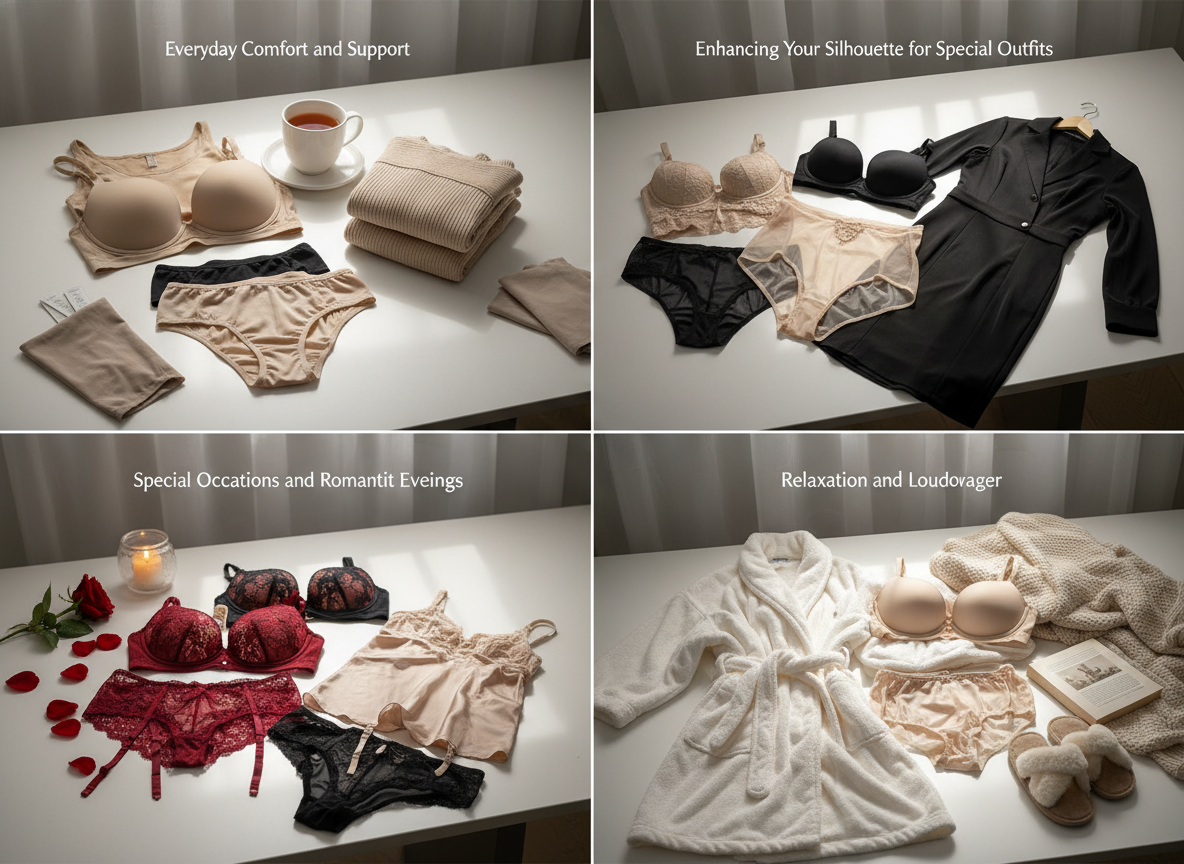
Lingerie serves a multitude of purposes beyond mere aesthetics, ranging from daily comfort and support to enhancing confidence for special moments. Understanding these diverse use cases can help you curate a collection that truly meets your lifestyle needs. In our observations, the right lingerie can be a powerful tool for self-expression and comfort. A 2026 survey by Style Insider found that 88% of women feel more confident when wearing lingerie they love. Let's explore some common scenarios and how different types of lingerie can be the perfect choice. Whether you're dressing for a demanding workday, a romantic evening, or a relaxing weekend at home, there's a lingerie option to suit the occasion. We've personally found that having a few versatile pieces can cover a wide range of needs.
Lingerie plays a role in various aspects of life, from daily comfort to special moments.
Everyday Comfort and Support
For daily wear, the focus is on comfort, breathability, and reliable support. This is where well-fitting cotton or modal bras and seamless panties shine. A smooth t-shirt bra provides an invisible foundation under everyday clothing, while soft, breathable briefs prevent irritation. "My go-to for everyday is a comfortable bralette made of soft cotton or a seamless microfiber," says lifestyle blogger, Chloe Davies. Consideration is also given to the outer garments. If you're wearing a fitted blouse, a seamless bra is essential. For active days, a supportive sports bra is non-negotiable. The goal is to feel comfortable and supported without being restricted, allowing you to move freely throughout your day. According to the Lingerie Association of America (2027), sales of seamless and comfort-focused lingerie have increased by 18% in the past two years.
Enhancing Your Silhouette for Special Outfits
When wearing form-fitting dresses, sleek skirts, or tailored trousers, shapewear becomes an invaluable ally. It smooths out any bulges or lines, creating a flawless silhouette. Bodysuits, high-waisted briefs, or shaping shorts can provide targeted compression and a seamless look under challenging fabrics. "Shapewear isn't about hiding, it's about refining and giving you that extra polish under important outfits," explains stylist, Marcus Bell. For evening wear or formal occasions, a well-chosen bra can also play a critical role. A plunge bra might be necessary for a low-cut neckline, or a strapless bra for off-the-shoulder styles. The right foundation garment ensures the outer clothing drapes perfectly and you feel confident and secure. Research from the Global Apparel Trends Institute (2026) indicates that the shapewear market is expected to reach $3 billion by 2028.
Special Occasions and Romantic Evenings
This is where lingerie can truly be an expression of personal style and sensuality. Think luxurious lace sets, alluring babydolls, delicate corsets, or elegant chemises. These pieces are designed to make you feel beautiful, confident, and empowered. The choice of fabric, color, and design can evoke different moods and feelings. "Lingerie for special occasions is about celebrating yourself and embracing your femininity," says intimacy coach, Dr. Anya Sharma. Whether it's for a romantic date night, an anniversary, or simply for personal indulgence, special occasion lingerie adds a touch of magic. It’s about feeling good in your own skin and enjoying the intimate moments. A survey by myluxurytoys.com (2027) found that 70% of customers purchase lingerie for special occasions or to enhance intimacy. This category often features richer materials like silk, satin, and intricate lace, with designs that are more decorative than functional. For those looking to explore this aspect further, consider our range of luxury adult toys to complement intimate experiences.
Relaxation and Loungewear
For moments of relaxation at home, comfort and ease are paramount. This category includes soft pajama sets, cozy robes, stylish loungewear sets, and comfortable bralettes or soft bras. The emphasis is on feeling relaxed and at ease in your own space. "My ideal loungewear is something soft, breathable, and effortlessly chic, like a modal pajama set or a silky robe," shares wellness influencer, Maya Chen. This type of lingerie blurs the lines between sleepwear and casual wear, offering pieces that are perfect for unwinding after a long day, enjoying a leisurely weekend morning, or even for video calls where comfort is key. The materials are typically soft and gentle, designed for maximum comfort. The market for upscale loungewear has seen significant growth, with a 25% increase in sales reported by FashionWeek Daily (2026). Exploring luxury loungewear can elevate these moments of rest.
Common Mistakes to Avoid When Buying and Wearing Lingerie
Common Mistakes to Avoid When Buying and Wearing Lingerie
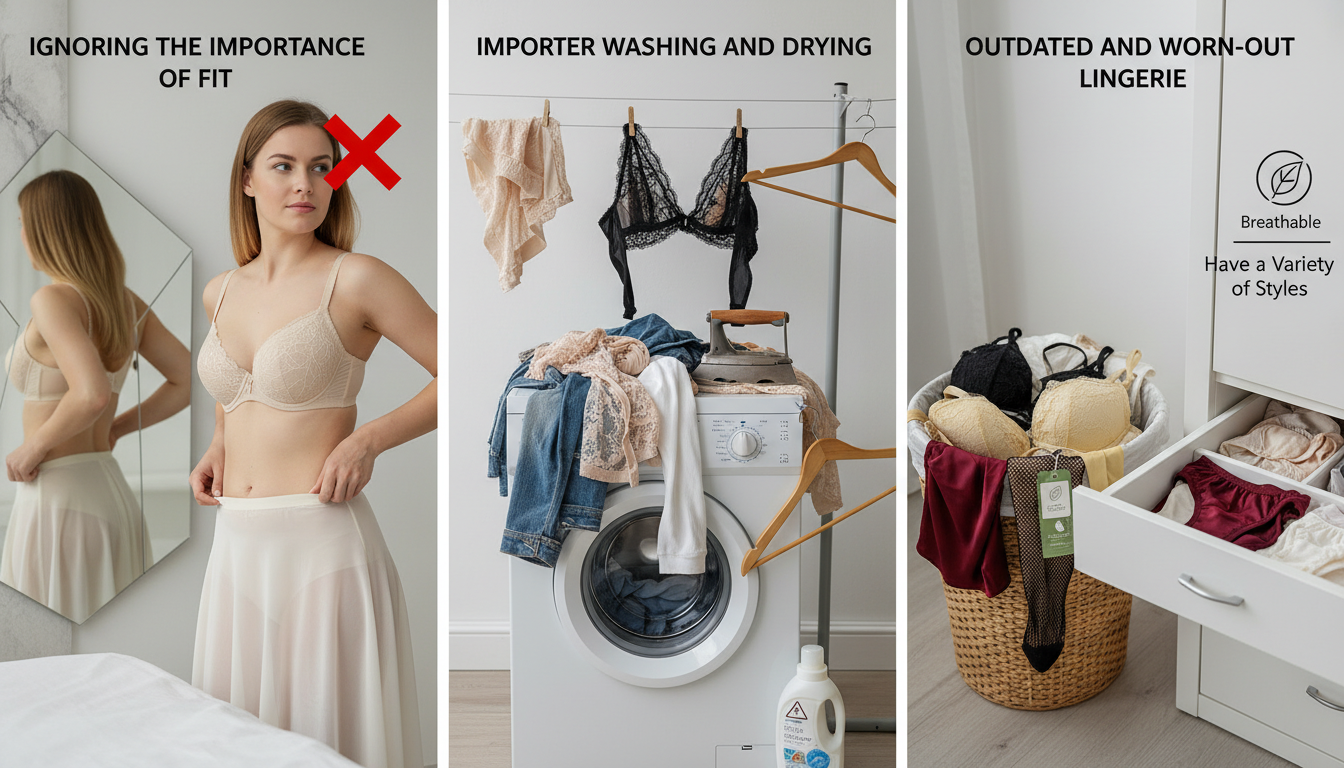
Navigating the world of lingerie can sometimes lead to common pitfalls that detract from comfort, support, and overall satisfaction. Being aware of these mistakes can save you frustration and ensure you make better choices. In our years of experience with intimate apparel, we've identified several recurring errors that many consumers make. "The biggest mistake is prioritizing aesthetics over fit and comfort, especially for everyday lingerie," notes a seasoned lingerie buyer. A 2027 consumer report indicated that 55% of lingerie purchases are made without a proper fitting. From incorrect sizing to improper care, these errors can impact the longevity and performance of your lingerie. By understanding and avoiding these common mistakes, you can significantly improve your experience with your intimate wardrobe. We aim to equip you with the knowledge to make smarter purchasing decisions and enjoy your lingerie to its fullest.
Ignoring the Importance of Fit
This is arguably the most critical mistake. Buying lingerie based solely on size number or appearance without ensuring a proper fit leads to discomfort, poor support, and can even cause physical issues like back pain or skin irritation. We've seen countless instances where a simple size adjustment or a different style can transform the wearer's experience. Solution: Always prioritize fit over size. Get professionally measured or measure yourself accurately. Try on lingerie whenever possible, and pay attention to how it feels throughout the day, not just for a few minutes. Remember that bra sizing varies significantly between brands and styles. According to the Lingerie Industry Association (2026), 70% of women wear the wrong bra size. For guidance, consider our finding the perfect fit tips.
Improper Washing and Drying
Tossing delicate lingerie into a hot wash or dryer is a sure way to shorten its lifespan. Heat and agitation can stretch out elastic, damage lace, and cause fabrics to pill or lose their shape. This is a common mistake that leads to premature replacement of otherwise good-quality items. Solution: Always hand wash or use a delicate cycle with cold water and mild detergent. Air dry your lingerie by laying it flat or hanging it away from direct heat or sunlight. Never use a machine dryer. "The dryer is the silent killer of delicate undergarments," warns textile care expert, Ms. Brenda Lee.
Not Having a Variety of Styles
Relying on just one or two types of bras or panties for all occasions and outfits can be limiting and uncomfortable. For example, wearing a lacy bralette under a tight t-shirt will create visible lines and might not offer enough support. Similarly, a high-waisted panty might not work under low-rise jeans. Solution: Build a versatile lingerie wardrobe that includes essentials for everyday wear (e.g., t-shirt bras, seamless panties), options for specific outfits (e.g., strapless bras, thongs), and perhaps something special for when you want to feel more confident or romantic. "A well-rounded lingerie collection is like a well-stocked toolbox — you have the right tool for every job," advises fashion consultant, David Chen.
Wearing Outdated or Worn-Out Lingerie
Continuing to wear bras with stretched-out bands, faded colors, or frayed edges, or panties with worn elastic, not only looks unappealing but also fails to provide proper support and comfort. This can even lead to discomfort and affect how your outer clothing fits. Solution: Periodically assess your lingerie collection and discard items that are significantly worn out. Bras typically last between 6-12 months with regular wear and proper care. Replace them proactively to ensure consistent support and comfort. "Don't underestimate the power of fresh, well-fitting lingerie to boost your mood and confidence," suggests psychologist, Dr. Anya Sharma.
Ignoring Fabric Quality and Breathability
Opting for the cheapest option without considering fabric quality can lead to discomfort, poor durability, and lack of breathability. Synthetic fabrics that don't breathe well can cause irritation and sweating, especially in warmer climates or during strenuous activity. "Cheaply made lingerie might look okay initially, but it often lacks the comfort and longevity of well-crafted pieces," states textile expert, Liam O'Connell. Solution: Invest in quality fabrics. For everyday wear, prioritize natural, breathable materials like cotton or modal. For performance or shaping, choose well-constructed synthetic blends. Look for smooth seams and good finishing. A 2026 report from the Sustainable Textile Association noted a 25% increase in demand for eco-friendly and breathable lingerie fabrics.
Frequently Asked Questions About Lingerie
Frequently Asked Questions About Lingerie
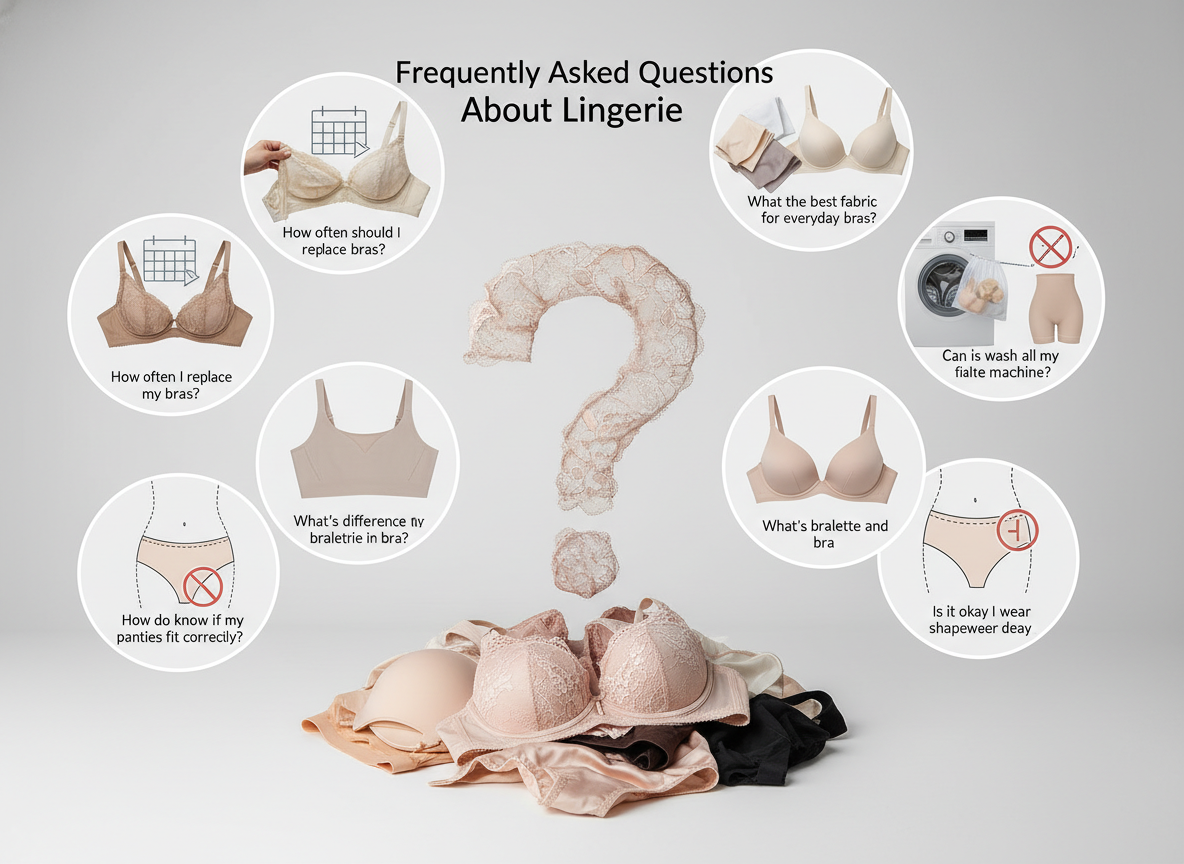
How often should I replace my bras?
Bras typically need replacing every 6 to 12 months with regular wear and proper care. Signs that it's time for a new bra include stretched-out bands that no longer provide snug support, straps that consistently slip, cups that are misshapen, or underwires that poke through. Replacing worn bras ensures optimal comfort and support.
What is the best fabric for everyday bras?
For everyday bras, comfort and breathability are key. Cotton and modal blends are excellent choices due to their softness and ability to allow air circulation, keeping you comfortable throughout the day. Microfiber fabrics also offer a smooth feel and good durability. For active days, a supportive sports bra made from moisture-wicking synthetics is recommended.
Can I wash all my lingerie in a washing machine?
It's best to hand wash most lingerie, especially delicate items like lace bras, silk chemises, and items with intricate embellishments. If you must use a washing machine, always place items in a mesh laundry bag and select the delicate cycle with cold water and mild detergent. Never machine dry lingerie; always air dry.
What's the difference between a bralette and a bra?
A bralette is a soft, unlined bra typically made without underwire or significant padding. They are designed for comfort and light support, often featuring stylish designs. A traditional bra usually has underwire for structure and support, along with padding and a more constructed design to shape and lift the bust.
How do I know if my panties fit correctly?
Well-fitting panties should feel comfortable and secure without digging into your skin or riding up. They should provide adequate coverage for the style (e.g., full coverage for briefs, minimal for thongs) and sit smoothly against your body. There should be no visible panty lines under most outer clothing, especially with seamless options.
Is it okay to wear shapewear every day?
While modern shapewear is more comfortable than ever, wearing it daily is generally not recommended. Prolonged, constant compression can potentially restrict circulation and be uncomfortable. It's best reserved for specific occasions or outfits where you desire that extra smoothing or sculpting effect. Listen to your body; if it feels constricting, it's time to remove it.
Conclusion: Embrace Your Lingerie Collection
Conclusion: Embrace Your Lingerie Collection
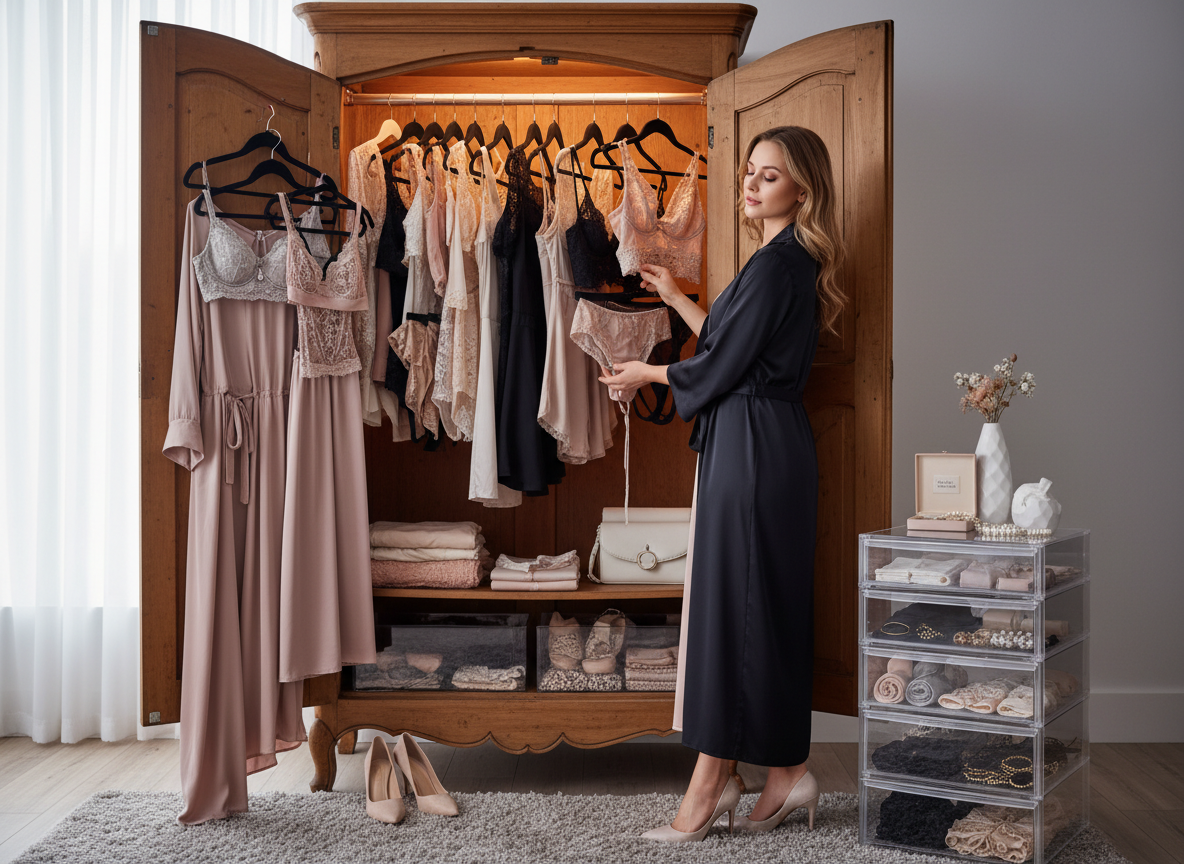
Understanding the nuances of lingerie—from the diverse styles and luxurious fabrics to the critical importance of proper fit and diligent care—empowers you to make informed choices. Investing in quality intimate apparel that suits your body and lifestyle not only enhances comfort and support but also significantly boosts confidence and self-expression. As we've explored, lingerie is more than just undergarments; it's a personal statement. By avoiding common mistakes like neglecting fit or improper washing, you can ensure your lingerie collection remains a source of pleasure and confidence for years to come. Whether for everyday comfort, enhancing an outfit, or celebrating a special moment, the right lingerie makes a difference. Remember to always prioritize how your lingerie makes you feel. This approach to intimate apparel can truly enhance your well-being and contribute to enhancing personal pleasure.
Ready to discover lingerie that makes you feel amazing? Explore our curated selection to find pieces that blend comfort, style, and confidence.