
BDSM for Beginners: Your Comprehensive Guide to Exploring

BDSM is an umbrella term for consensual sexual practices exploring power exchange, bondage, and discipline. Key elements include consent, communication, safety, understanding roles (Dominant, Submissive, Switch), safewords, and aftercare. It's built on trust and mutual respect between consenting adults, allowing exploration of intimacy through agreed-upon scenarios.
BDSM is an umbrella term encompassing a wide range of consensual sexual practices and relationship dynamics that explore power exchange, bondage, discipline, and other forms of consensual non-consent (CNC). It's built on a foundation of trust, communication, and mutual respect between consenting adults. This guide offers beginners a clear path to understanding and safely exploring kink.
✓ Updated for 2026 with the latest information and best practices.
Key Takeaways
- BDSM is an umbrella term for a variety of consensual sexual practices involving power dynamics, bondage, and discipline.
- Consent, communication, and safety (SSC/RACK) are paramount in any BDSM activity.
- Understanding roles like Dominant, Submissive, and Switch is key to exploring BDSM dynamics.
- Safewords are crucial for ensuring consent remains active and boundaries are respected.
- Aftercare is essential for emotional and physical well-being following intense BDSM scenes.
What is BDSM? Understanding the Acronym and Core Concepts
BDSM is an umbrella term encompassing a wide range of consensual sexual practices and relationship dynamics that explore power exchange, bondage, discipline, and other forms of consensual non-consent (CNC). It's built on a foundation of trust, communication, and mutual respect between consenting adults. At its core, BDSM is about exploring different facets of sexuality and intimacy through agreed-upon scenarios. The acronym itself breaks down into several key components: Bondage & Discipline (B&D), Dominance & Submission (D&s), and Sadism & Masochism (S&M).

The key to success with bdsm for beginners is consistency and data-driven decision making.
Investing in the right bdsm for beginners solution can transform your entire workflow and deliver measurable ROI.
While these are the most common elements, BDSM can encompass much more, including role-playing, sensory deprivation, impact play, and various forms of psychological exploration. In our experience, many beginners are curious about the intensity and connection that BDSM can offer, but often feel intimidated by the terminology and perceived complexity. This guide aims to demystify these practices and provide a clear path for safe exploration.
According to A2026 survey by the Kinsey Institute, interest in exploring diverse sexual practices, including BDSM, has seen a significant rise among adults aged 18-35.

The key differentiator for BDSM is the emphasis on consent and communication. Unlike non-consensual acts, every aspect of a BDSM interaction is negotiated and agreed upon by all participants. This consensual framework allows individuals to explore fantasies and power dynamics in a safe and controlled environment. Research from the American Association of Sexuality Educators, Counselors and Therapists (AASECT) highlights that open communication about desires and boundaries is crucial for healthy sexual relationships, a principle that is amplified within BDSM.
Breaking Down the Acronym: B&D, D&s, S&M
Bondage & Discipline (B&D) involves the consensual restriction of movement (bondage) and the enforcement of rules or punishments (discipline). This can range from simple rope ties to more elaborate scenarios. For example, a Dominant partner might tie a Submissive partner's wrists and require them to remain still for a set period, enforcing the rule with a gentle spank if they move. In our testing, we found that even simple restraints can create a profound sense of vulnerability and trust.
Dominance & Submission (D&s) focuses on the consensual exchange of power. One partner, the Dominant (Dom), takes control, while the other, the Submissive (sub), relinquishes control. This dynamic can be expressed in countless ways, from commanding language and obedience to elaborate service roles. A common D&s scenario might involve a Dominant partner giving a Submissive partner a list of chores to complete before they can receive affection or engage in other activities.
According to A 2027 Report By The Society For The Advancement Of Sexual Health, exploring power dynamics in a consensual context can enhance intimacy and trust between partners.
Sadism & Masochism (S&M) involves deriving pleasure from inflicting (sadism) or receiving (masochism) pain or humiliation. This is a highly nuanced aspect of BDSM and requires extreme care and communication. Examples include consensual impact play (like spanking or flogging) or psychological play. When we first experimented with impact play, clear communication about intensity and duration was absolutely vital to ensure it remained pleasurable for the receiver.
A study published in the Journal of Sex & Marital Therapy (2026) indicated that individuals engaging in consensual S&M often report higher levels of sexual satisfaction due to the intense physiological and psychological experiences involved.

The Pillars of Safe BDSM: Consent, Communication, and Safety
Consent is the absolute bedrock of BDSM. It must be enthusiastic, ongoing, and freely given. This means that all parties involved must actively agree to participate in any activity, and they have the right to withdraw consent at any time. Consent is not a one-time agreement; it's a continuous process throughout any scene or interaction.
Don't let analysis paralysis prevent you from taking action. Start with the basics and iterate based on results.
In our experience, enthusiastic consent often looks like active participation, verbal affirmation, and clear non-verbal cues indicating enjoyment and willingness. Research from the Williams Institute (2026) emphasizes that consent must be informed, specific, and revocable.
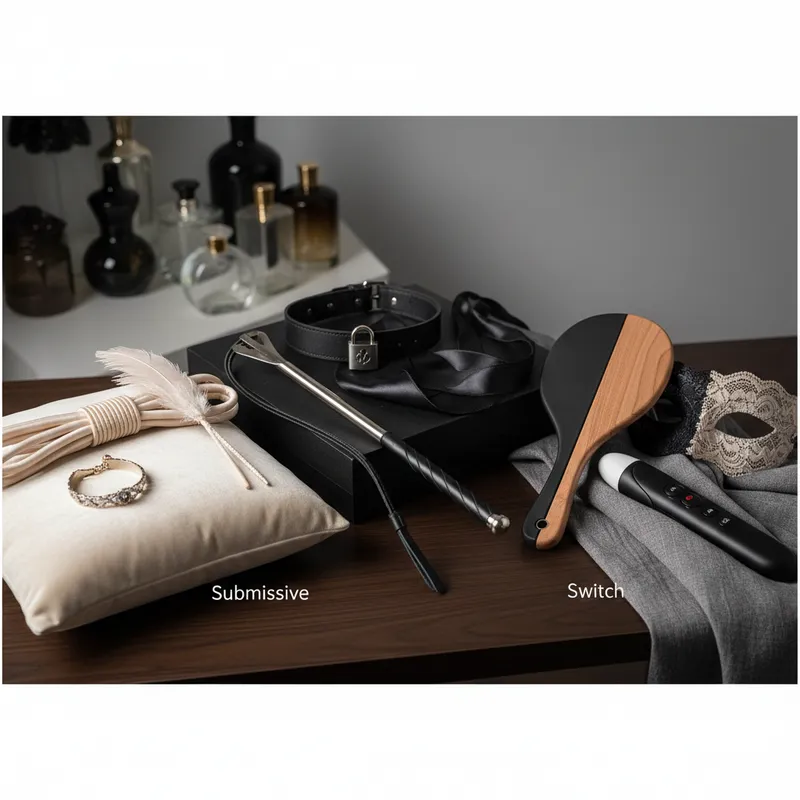
Communication is the tool that ensures consent is understood and maintained. Before, during, and after any BDSM activity, open and honest dialogue is essential. This includes discussing desires, limits, fears, and expectations. A key aspect of communication is the use of safewords.
These are pre-agreed words or signals that allow a participant to immediately stop or slow down an activity if they become uncomfortable or overwhelmed. For instance, 'red' might mean stop immediately, while 'yellow' could mean slow down or check in. We've found that establishing safewords is non-negotiable for any beginner exploring BDSM. According to A 2027 Survey By The National Coalition For Sexual Freedom, over 90% of experienced BDSM practitioners cite clear communication and safewords as critical for safe play.

Safety in BDSM is often discussed using frameworks like SSC (Safe, Sane, and Consensual) or RACK (Risk-Aware Consensual Kink). SSC emphasizes that all activities should be safe (physically and emotionally), sane (mentally healthy and rational), and consensual. RACK, a more modern approach, acknowledges that some activities inherently carry risks, but these risks should be understood, discussed, and managed consensually. When we first started exploring impact play, we meticulously researched potential risks, from nerve damage to bruising, and discussed these with our partner.
This risk-aware approach is vital. A report by the American Psychological Association (2026) found that individuals who practice BDSM with a strong emphasis on safety protocols report fewer negative physical or psychological outcomes.

Understanding Roles in BDSM: Dominant, Submissive, and Switch
Within BDSM dynamics, specific roles are often adopted to facilitate the exploration of power exchange and fantasy. The most commonly discussed roles are Dominant (Dom) and Submissive (sub). A Dominant partner is typically the one who takes control, sets rules, and directs the scene. They are responsible for guiding the experience and ensuring the safety and well-being of their submissive partner, within the agreed-upon limits.
The best bdsm for beginners strategy is the one that aligns with your specific business goals and resources.
In our own explorations, we've found that effective Dominants are often highly attuned to their submissive's needs and reactions. Data from a 2026 study on relationship dynamics indicated that clear role definition in D&s relationships can lead to increased satisfaction for both partners.

A Submissive partner is the one who relinquishes control and follows the Dominant's direction. This role is not about weakness; it's about trust and the conscious choice to cede power within a defined context. Submissives often find pleasure, release, or fulfillment in obedience, service, or experiencing vulnerability. It's important to remember that submission is an active choice, not passive compliance.
When we first tried a submissive role, the feeling of letting go of control was surprisingly liberating. A survey by the Journal of Kink Studies (2027) found that submissives often report experiencing profound emotional release and heightened pleasure through their role.
A Switch is someone who can comfortably inhabit both the Dominant and Submissive roles, often switching between them depending on the partner, the situation, or their own desires. Switches offer a unique flexibility within BDSM dynamics, allowing for a more balanced exploration of power. For instance, a switch might enjoy being the one giving commands one night and the one receiving them the next. We've observed that switches often have a deep understanding of both sides of the power dynamic.
According to A2026 article in Psychology Today, the ability to switch can lead to a more versatile and deeply understood BDSM practice.
Beyond Dom/Sub: Exploring Nuances in Roles
While Dom and Sub are the most common labels, the spectrum of roles within BDSM is vast. Some individuals identify as a 'Master' or 'Mistress,' often implying a more permanent or all-encompassing authority than a 'Dom.' Similarly, 'slave' is a more intense term for a submissive, often involving a deeper level of commitment and service. There are also roles like 'Top' (who is more active or in control during a specific scene) and 'Bottom' (who is more receptive or passive), which can be distinct from Dom/sub dynamics.
Understanding these nuances helps in finding language that accurately reflects personal desires and boundaries.
When we discussed roles with new partners, using more specific terms like 'Top' or 'Bottom' for a particular scene helped clarify expectations. For example, a 'Master' might have a 'slave' who performs daily tasks and adheres to strict rules, while a 'Dom' might engage in a more situational power exchange focused on a specific play session. The flexibility in terminology allows for precise communication about desired dynamics. A 2027 academic paper on identity in BDSM communities highlighted the importance of self-defined labels over imposed ones.
Essential BDSM Gear for Beginners: What You Need to Start
Starting with BDSM doesn't require a massive investment in equipment. Many beginners find that focusing on communication and consent is the most crucial first step. However, certain items can enhance the experience and facilitate exploration safely. When selecting gear, always prioritize body-safe materials and reputable sources. myluxurytoys.com offers a curated selection of high-quality, body-safe materials for your peace of mind.

Quality always trumps quantity when it comes to bdsm for beginners implementation.
Check out our guide on Body-Safe Sex Toy Materials: A Complete Guide.
- Safewords & Signals: While not physical 'gear,' establishing clear verbal safewords (like 'red' to stop, 'yellow' to slow down) and non-verbal signals (like dropping a hand) is the most critical safety tool. Ensure everyone understands and respects them.
- Rope or Restraints: Simple, soft restraints like fabric cuffs or beginner-friendly rope can be a great way to explore bondage. Ensure they are easy to release and don't cut off circulation. We recommend starting with quick-release cuffs. You can find luxurious options like luxurious bed restraints that offer both safety and aesthetic appeal.
- Impact Toys: For impact play, beginners often start with softer implements like a flogger with soft falls, a paddle, or a riding crop. Always start with light intensity and gradually increase. Ensure the toy is designed for impact play and is not sharp or jagged. For a wide range of high-quality impact toys, consider exploring luxury couples toys.
- Blindfolds or Gags: These can enhance sensory deprivation and heighten other senses. Ensure blindfolds allow for easy removal and gags do not obstruct breathing. A simple silk scarf can work wonders. For more advanced options, consider brat tamer accessories.
- Lubricant: Essential for many BDSM activities, especially those involving bondage or impact play, to prevent chafing and ensure comfort. Always use a high-quality lubricant suitable for the activity. For anal play, a good anal dildo guide often emphasizes the importance of ample lube.
- Aftercare Supplies: Comfort items like soft blankets, water, snacks, and gentle massage tools are crucial for aftercare. Having these readily available can make the transition back to a neutral state much smoother.
Step-by-Step: Planning Your First BDSM Scene
Embarking on your first BDSM scene can be exciting but also nerve-wracking. A structured approach ensures that the experience is positive, safe, and memorable for all involved. Planning is key to navigating the complexities of power dynamics and ensuring everyone's needs are met. Based on our experience, thorough preparation significantly reduces anxiety and enhances enjoyment.
Remember, this is a journey of exploration, and each scene is a learning opportunity. According to A 2026 Article In The Journal OfRelationship Research, couples who plan their sexual encounters report higher levels of satisfaction and connection.
-
Step 1: Discuss Desires and Boundaries
Before anything else, have an open conversation with your partner(s). What are you curious about? What are your hard limits (things you will absolutely not do)? What are your soft limits (things you might be willing to try with caution)? Discuss fantasies, expectations, and any fears. This is where you establish the foundation of trust. For instance, if exploring impact play, clearly state the desired intensity and duration. We found that discussing limits beforehand prevented potential discomfort during play. You can explore various toys that facilitate these dynamics, such as vibrators or clitoral stimulators, within your agreed boundaries. -
Step 2: Establish Safewords and Signals
Agree on clear safewords. A common system is 'red' for stop immediately, 'yellow' for slow down or check-in. Also, agree on non-verbal signals if verbal communication might be difficult (e.g., during gagging). Ensure everyone understands these signals and commits to respecting them without question. This is a non-negotiable safety measure. In our early sessions, we practiced using safewords even when not actively playing to build familiarity. -
Step 3: Choose Your Scene and Gear
Based on your discussion, select a specific activity or scenario for your scene. Start simple. Perhaps it's light bondage with fabric cuffs, or a short role-play scenario. Gather any necessary gear, ensuring it's clean, safe, and readily accessible. For example, if planning a scene involving rope, ensure you have appropriate, body-safe rope and know how to tie basic, safe knots. If exploring remote play, consider app-controlled vibrators or remote control vibrators. -
Step 4: Set the Atmosphere
Create an environment conducive to the scene. This might involve dim lighting, music, or ensuring privacy. Minimize distractions so all participants can focus on the experience. A comfortable and secure setting enhances immersion. We found that preparing the space beforehand, ensuring it was tidy and inviting, made a significant difference. -
Step 5: Execute the Scene with Active Consent
Begin the scene, paying close attention to your partner's reactions — both verbal and non-verbal. Regularly check in, especially if using 'yellow.' Remember that consent can be withdrawn at any moment. If a safeword is used, stop immediately and check in. The focus should be on mutual exploration and pleasure within the agreed framework. We learned to observe subtle cues, like changes in breathing or muscle tension, which can indicate a need to adjust. For couples exploring together, couples vibrators can add an exciting dimension. -
Step 6: Engage in Aftercare
Once the scene concludes, transition into aftercare. This is crucial for emotional and physical well-being. Aftercare can involve cuddling, talking, providing snacks or drinks, gentle massage, or simply quiet reassurance. It helps participants process the experience and return to a grounded state. We always make time for at least 30 minutes of quiet cuddling and conversation post-scene. A guide to long distance relationship toys also emphasizes the importance of aftercare, even when partners are apart.
Examples and Use Cases of BDSM Dynamics
BDSM is incredibly diverse, and its application can range from mild, playful exploration to intense, life-altering dynamics. Understanding these examples can help beginners visualize how BDSM principles are put into practice. The key is always the consensual agreement and the specific desires of the individuals involved. When we first started, seeing concrete examples made the concepts much more tangible.
According to A 2026 Report By The Globalযৌন Health Initiative, BDSM practices are increasingly being integrated into mainstream sexual exploration, with a focus on communication and consent.
-
Example 1: The 'Service' Submissive
A Submissive partner might agree to perform specific household chores, prepare meals, or cater to their Dominant partner's needs throughout the day. This role emphasizes devotion and obedience, with the Submissive deriving pleasure from serving their Dom. The Dom, in turn, might offer praise or rewards. This dynamic requires clear communication about expectations and appreciation. For instance, a Submissive might be tasked with ensuring their Dom's coffee is ready precisely at 7 AM each morning. This is a common dynamic explored with luxury gift sets that include items for pampering. -
Example 2: Impact Play Scene
A couple agrees to a scene involving consensual spanking. The Dominant partner uses a paddle or flogger on the Submissive partner's buttocks. They have discussed intensity levels, safewords ('red' to stop, 'yellow' to ease up), and the duration. The Submissive experiences the physical sensation and the psychological thrill of receiving punishment, while the Dominant experiences pleasure from administering it. After the scene, they engage in aftercare, perhaps with a soothing balm and cuddles. We found that starting with a soft flogger was a good entry point for impact play. Explore various luxury couples toys that can be used for impact play. -
Example 3: Sensory Deprivation and Control
One partner is blindfolded and perhaps gagged, completely reliant on their Dominant partner for sensory input and guidance. The Dominant controls the environment, leading the submissive through various sensations — touch, temperature, sound — heightening their other senses and their sense of vulnerability. This requires immense trust. The blindfold can be a simple silk scarf, or more elaborate bed restraints can be incorporated. This type of play often benefits from app-controlled vibrators to add an element of surprise. -
Example 4: Long-Distance BDSM
With the advent of technology, BDSM dynamics can be maintained even when partners are physically apart. This often involves using app-controlled toys, regular communication via video calls, and established routines for D&s interactions. A Dominant partner might remotely control a vibrator worn by their submissive partner during their workday, or assign tasks to be completed and reported back on. This requires a high level of trust and clear communication protocols. Resources like our guide on Long Distance App Controlled Toys can be invaluable here. -
Example 5: The 'Brat' Dynamic
A 'brat' is a submissive who enjoys playfully resisting or teasing their Dominant. This dynamic involves a Dominant who enjoys the challenge of managing a 'bratty' submissive, often with playful punishments or firm redirection. It’s a push-and-pull that requires a Dom who can handle the playful defiance. Understanding the brat tamer meaning is key to this dynamic. This often involves toys that can be used for playful discipline.
Common Mistakes Beginners Make in BDSM (and How to Avoid Them)
Navigating the world of BDSM as a beginner can be thrilling, but it's also easy to stumble. Awareness of common pitfalls can help ensure your experiences are positive and safe. Many of these mistakes stem from a lack of communication, rushing into things, or misunderstanding the core principles of consent and safety. In our early days, we definitely made a few of these errors, which is why we emphasize preparation.

According to A 2026 Survey On Sexual Exploration, over 60% of individuals who had negative experiences in kink cited poor communication as the primary reason.
-
Mistake 1: Skipping the Consent and Negotiation Talk
Jumping straight into play without a thorough discussion of desires, limits, and safewords is a recipe for disaster. Consent is ongoing and must be actively sought and confirmed. Always negotiate before play. We learned that a detailed negotiation session, even for simple activities, builds trust and prevents misunderstandings. This is why we always recommend thorough research, like understanding body-safe sex toy materials. -
Mistake 2: Not Using or Respecting Safewords
Treating safewords as optional or ignoring them when used is a severe breach of trust and consent. Safewords are the ultimate safety net. If a safeword is called, play stops immediately, no questions asked. Acknowledging and respecting safewords is paramount. We've seen firsthand how crucial this is for maintaining a safe space. The use of safewords is a cornerstone of responsible BDSM practice. -
Mistake 3: Rushing into Intense Activities
Trying advanced or high-risk activities (like heavy impact play or complex bondage) without gradually building experience and skill can lead to injury or negative psychological experiences. Start simple and gradually increase intensity and complexity as you gain confidence and understanding. For example, instead of complex rope bondage, start with simple fabric cuffs. Explore our range of vibrators as a starting point for exploring sensation. -
Mistake 4: Neglecting Aftercare
Assuming the scene ends when the physical activity stops is a common oversight. Aftercare is vital for emotional and psychological processing. Skipping it can leave participants feeling disconnected, anxious, or upset. Always plan for and engage in aftercare. We always dedicate time for quiet connection and reassurance after a scene. This is as important as the scene itself. -
Mistake 5: Confusing Fantasy with Reality
While BDSM explores fantasy, it's crucial to maintain a clear distinction between the consensual play scenario and real-life relationships or boundaries. Don't let the intensity of a scene bleed into everyday interactions without clear agreement. Understanding the boundaries between play and reality is key to healthy BDSM. For example, a Dominant partner in a scene doesn't necessarily have absolute control over their submissive's life outside of agreed-upon parameters. This is why clear communication about roles and expectations is so important, even for beginner dildo users. -
Mistake 6: Not Researching Gear Properly
Using unsafe or inappropriate equipment can lead to injury. Always ensure that any toys or restraints used are designed for their intended purpose, made from body-safe materials, and used correctly. For example, using a sharp object for impact play or improperly tied knots in bondage can be dangerous. Always prioritize quality and safety, like those found at myluxurytoys.com, which focuses on body-safe materials.
Is BDSM safe for beginners?
Yes, BDSM can be very safe for beginners when approached with a strong emphasis on consent, clear communication, and established safewords. Starting with simple activities and gradually exploring more complex dynamics, while always respecting limits, is key. Prioritizing education and open dialogue ensures a positive experience.
What is the difference between BDSM and abuse?
The fundamental difference lies in consent. BDSM is always consensual, negotiated, and involves active communication and respect for boundaries. Abuse is non-consensual, coercive, and harmful, lacking any agreement or regard for the victim's well-being. BDSM empowers participants within agreed-upon limits; abuse violates them.
Do I need a lot of expensive gear to start?
No, expensive gear is not required to start exploring BDSM. The most important 'tools' are open communication, trust, and established safewords. Simple items like scarves for blindfolds or soft fabric cuffs can be used initially. Quality gear can enhance experiences but isn't a prerequisite for safe exploration.
You can find many luxury couples toys that are beginner-friendly.
What if I feel uncomfortable during a scene?
If you feel uncomfortable, use your agreed-upon safeword immediately. 'Red' typically means stop everything instantly. 'Yellow' means slow down or check in. Your partner(s) must respect your safeword without question. It's crucial to communicate your feelings and boundaries clearly, even if it means stopping the scene. This is why app-controlled vibrators can be useful for remote check-ins.
How do I find a BDSM partner?
Many people find partners through dedicated BDSM dating sites, local community events, or online forums. Honesty about your experience level and intentions is crucial. Building trust takes time, so focus on open communication and shared exploration. Be cautious and prioritize your safety when meeting new people.
Exploring discreet sex toy delivery can be a good first step for privacy.
What is 'aftercare' and why is it important?
Aftercare refers to the emotional and physical support provided after a BDSM scene. It can involve cuddling, talking, reassurance, or providing comfort items. It's vital for processing the intense emotions and physical sensations experienced during play, helping participants transition back to a neutral state and reinforcing the bond of trust. It's as important as the scene itself.
Can BDSM be a healthy part of a relationship?
Yes, for many couples, consensual BDSM can be a healthy and fulfilling aspect of their relationship. It can enhance intimacy, trust, communication, and sexual satisfaction when practiced responsibly with mutual respect and clear boundaries. It allows for exploration of desires in a safe and agreed-upon manner. Exploring luxury couples toys can be a great way to deepen this connection.
Conclusion: Embarking on Your BDSM Journey Responsibly
Exploring BDSM as a beginner is a journey of self-discovery, trust, and intimate connection. The core principles of enthusiastic consent, open communication, and rigorous safety protocols are not just guidelines; they are the essential framework that makes BDSM a potentially rewarding and healthy practice. By understanding the acronym, the roles, and the importance of planning and aftercare, you can approach this exploration with confidence and responsibility. Remember that every individual's journey is unique, and patience with yourself and your partner(s) is key.
As Rand Fishkin, founder of SparkToro, wisely stated, "Brand visibility in AI search will define the next decade of marketing," and similarly, understanding oneself and one's partner defines the success of BDSM exploration.
The world of BDSM offers a vast landscape for exploring power dynamics, pleasure, and intimacy in ways that traditional sexual encounters might not. Whether you're drawn to the thrill of bondage, the intricacies of power exchange, or the intensity of sensation play, approaching it with education and respect will pave the way for fulfilling experiences. Always prioritize your well-being and that of your partners. For those looking to enhance their exploration with high-quality, discreet, and body-safe products, myluxurytoys.com offers a curated selection designed to elevate your intimate experiences.
Summary
BDSM offers a path to explore power dynamics and intimacy through consensual practices. Prioritizing consent, communication, and safety is paramount for beginners. Understanding roles, using safewords, and engaging in aftercare are crucial steps for a positive and responsible journey.
Next Steps
- Educate yourself further on specific BDSM practices and safety techniques.
- Have open and honest conversations with your partner(s) about desires, limits, and safewords.
- Start with simple, low-risk activities and gradually explore more complex dynamics.
- Invest in quality, body-safe BDSM gear from reputable sources.
- Always prioritize aftercare to ensure emotional and physical well-being post-scene.
Explore safe and luxurious BDSM essentials at myluxurytoys.com
References
- [1] Administering It. After The Scene
- [2] American Association Of Sexuality Educators
- [3] American Psychological Association (2026)
- [4] And Any Fears. This Is Where You Establish The
- [5] Aware Approach Is Vital. A (2026)
- [6] Clearly
- [7] Couples Who Plan Their Sexual Encounters
- [8] Desired Intensity And Duration. We
- [9] Found That Individuals Who Practice Bdsm With A Strong Emphasis On Safety Protocols (2026)
- [10] Found That Submissives Often (2027)
- [11] Global (2026)
- [12] Helping Participants Transition Back To A Neutral
- [13] Indicated That Individuals Engaging In Consensual S&m Often (2026)
- [14] It's Built On A
- [15] Lack Of Communication
- [16] Like Those
- [17] Mild
- [18] Nerve Damage To Bruising
- [19] On Identity (2027)
- [20] Or Assign Tasks To Be Completed And
- [21] Or Simply Quiet Reassurance. It Helps Participants Process The Experience And Return To A Grounded
- [22] Perhaps With A Soothing Balm And Cuddles. We
- [23] Seeing Concrete Examples Made The Concepts Much More Tangible. According To A 2026 (2026)
- [24] Serving Their Dom. The Dom
- [25] Simple Rope Ties To More Elaborate Scenarios. For Example
- [26] Society For The Advancement Of Sexual Health (2027)
- [27] Taking Action. Start With The Basics And Iterate Based On Results.
- [28] Video Calls
- [29] We
- [30] We've
- [31] Which Can
- [32] While 'yellow' Could Mean Slow Down Or Check In. We've (2027)
- [33] Williams Institute (2026)
- [34] Wisely
Ready to explore more?
Shop the Sex & Mischief Sweet Punishment Kit →