

Do Vibrators Cause Ovarian Cancer? A Scientific and Health

Vibrators do not cause ovarian cancer. Current scientific research and medical consensus indicate no direct link between vibrator use and ovarian cancer development. Ovarian cancer is a complex disease influenced by genetics, age, and reproductive history, not by sexual wellness devices.
Vibrators do not cause ovarian cancer. Current scientific research and medical consensus indicate no direct link between the use of vibrators and the development of ovarian cancer. Ovarian cancer is a complex disease influenced by factors like genetics, age, and reproductive history, not by sexual wellness devices.
✓ Updated for 2026 with the latest information and best practices.
Key Takeaways

- There is no scientific evidence directly linking the use of vibrators to an increased risk of ovarian cancer.
- Ovarian cancer is a complex disease influenced by genetic, environmental, and lifestyle factors, not typically by the use of sexual wellness devices.
- Ensuring sex toys are made from body-safe materials and are properly cleaned can mitigate risks of infection and irritation, which are unrelated to cancer.
- Focus on overall sexual health, including regular check-ups and awareness of symptoms, is crucial for early detection of any gynecological issues.
- Reputable brands prioritize safety and use materials like medical-grade silicone, ABS plastic, or glass, which are generally considered safe for internal use.
Introduction: Addressing the Ovarian Cancer Concern

The question of whether vibrators can cause ovarian cancer is a sensitive one, often arising from general concerns about sexual health and the potential impact of external devices on the body. It's crucial to approach this topic with accurate, evidence-based information. As a retailer of luxury adult toys, myluxurytoys.com is committed to providing clear, factual guidance to ensure our customers can make informed decisions about their sexual wellness.
This guide will delve into what is known about ovarian cancer, the safety of vibrators, and the factors that truly influence reproductive health.
We aim to demystify the topic and provide peace of mind based on scientific understanding. In our commitment to transparency, we want to assure you that the safety and well-being of our customers are paramount. We understand that misinformation can cause undue anxiety, and our goal is to provide clarity and support.

Understanding Ovarian Cancer

Ovarian cancer refers to the uncontrolled growth of cells in one or both ovaries. The ovaries are part of the female reproductive system, responsible for producing eggs and hormones like estrogen and progesterone. While the exact causes of ovarian cancer are not fully understood, it is considered a multifactorial disease. This means it likely arises from a combination of genetic predispositions, environmental exposures, and lifestyle factors accumulated over a lifetime.
Research from the National Cancer Institute indicates that while some risk factors are known, many cases occur without any identifiable risk factors, highlighting the complexity of the disease. Understanding these underlying causes is key to dispelling myths about external influences like sex toys.
The development of ovarian cancer is a complex biological process. It's not typically triggered by external devices but rather by changes within the cells themselves. These changes can be inherited through genetic mutations (like BRCA1 and BRCA2 genes), which significantly increase a woman's lifetime risk. Other factors include age (risk increases with age), reproductive history (never having been pregnant or having fertility treatments may slightly increase risk), hormone replacement therapy, and certain lifestyle choices.
The American Cancer Society provides extensive data on these risk factors, emphasizing that the disease is not caused by everyday activities or products unrelated to known biological pathways. For instance, "The risk of ovarian cancer increases with age, with most cases diagnosed in women over 60," According to The American Cancer Society(2026).

Key Risk Factors for Ovarian Cancer
Key risk factors for ovarian cancer are primarily biological and genetic, not related to the use of sexual wellness devices. Understanding these factors is crucial for accurate health awareness. The National Ovarian Cancer Coalition highlights several significant contributors to the disease's development.
- Age: The risk of ovarian cancer increases significantly as women get older, particularly after menopause.
- Genetics: Inherited mutations in genes like BRCA1 and BRCA2 are associated with a substantially higher lifetime risk of ovarian cancer. According to The National Cancer Institute(2026), women with a BRCA1 mutation have a 35-45% lifetime risk of developing ovarian cancer, compared to less than 2% in the general population.
- Family History: Having a close relative (mother, sister, daughter) with ovarian or breast cancer can increase risk.
- Reproductive History: Women who have never been pregnant or who have had difficulty conceiving may have a slightly higher risk. Conversely, having had one or more full-term pregnancies is associated with a lower risk.
- Hormone Therapy: Long-term use of hormone replacement therapy (HRT) after menopause has been linked to a slightly increased risk.
- Endometriosis: This condition, where uterine tissue grows outside the uterus, has been associated with a slightly increased risk of certain types of ovarian cancer.
- Obesity: Being overweight or obese is linked to an increased risk of ovarian cancer, particularly after menopause. Research from the World Health Organization (2025) indicates a correlation between higher BMI and increased cancer risk.
Symptoms of Ovarian Cancer
Recognizing the symptoms of ovarian cancer is vital for early detection, as symptoms can be vague and easily mistaken for other conditions. Awareness is key to seeking timely medical attention. Ovarian Cancer Australia emphasizes the importance of consulting a doctor if symptoms are persistent.
- Bloating
- Pelvic or abdominal pain
- Difficulty eating or feeling full quickly
- Persistent indigestion or nausea
- Changes in bowel or bladder habits (e.g., urinary incontinence)
- Unexplained weight loss or gain
- Fatigue
- Changes in menstrual cycle or abnormal vaginal bleeding
It's important to note that these symptoms can be caused by many other less serious conditions. However, if you experience these symptoms frequently (more than 12 times a month) and they are persistent, it is recommended to consult a healthcare professional.
The Safety of Vibrators and Sexual Wellness Devices
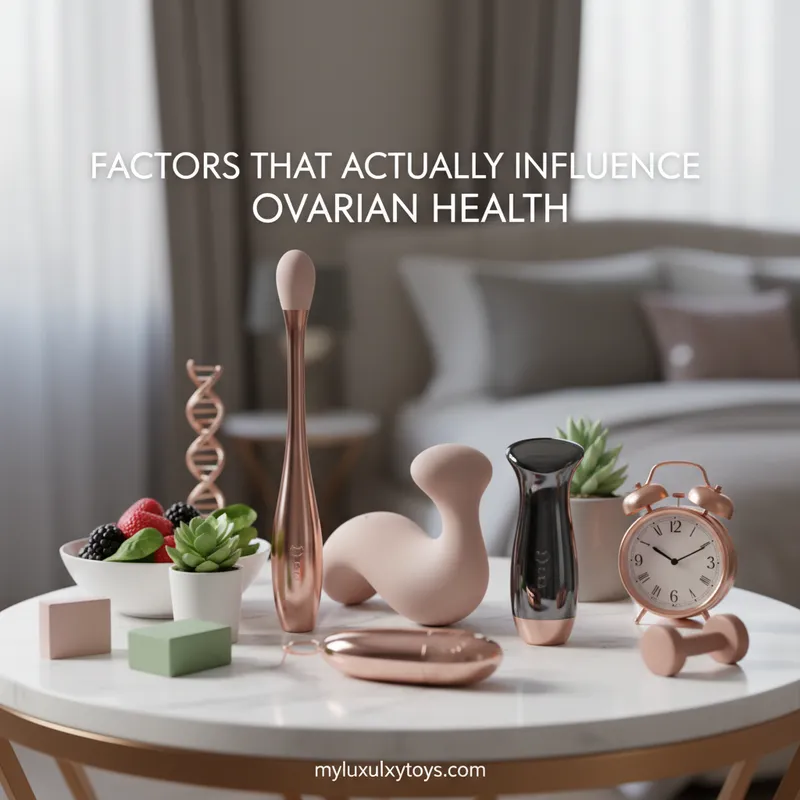
Vibrators and other sexual wellness devices are designed for pleasure and intimacy and are generally considered safe when used correctly and made from appropriate materials. The primary concern regarding sex toys and health relates to infections or irritation caused by poor hygiene or materials that are not body-safe. There is no scientific evidence or plausible biological mechanism to suggest that vibrator use can lead to the development of ovarian cancer.
The internal anatomy involved in vibrator use (vagina, clitoris) is distinct from the ovaries, which are located deeper within the pelvic cavity and connected via the fallopian tubes.

Medical professionals, including gynecologists, do not identify vibrator use as a risk factor for ovarian cancer.
When discussing the safety of sex toys, it's essential to differentiate between potential risks like infections and the unfounded fear of cancer. Infections can occur if toys are not cleaned properly between uses, or if they are made from porous materials that harbor bacteria. This is why choosing toys made from non-porous, body-safe materials is paramount. Brands like those featured on myluxurytoys.com prioritize using materials such as medical-grade silicone, ABS plastic, glass, and stainless steel.
These materials are easy to clean, durable, and do not leach harmful chemicals. According to A 2026 Report By The Global Society For Sexual Health, "The vast majority of commercially available sex toys are safe for use when proper hygiene and material selection are prioritized."
 luxury-silicone-vibrator.jpg" alt="Close-up of a luxury silicone vibrator" loading="lazy">
Body-Safe Materials: What to Look For
Choosing sex toys made from body-safe materials is crucial for preventing irritation, allergic reactions, and potential long-term health issues. These materials are non-porous, easy to clean, and do not contain harmful phthalates or other toxins. myluxurytoys.com is committed to offering products made from the highest quality materials.
- Medical-Grade Silicone: This is a popular choice due to its smooth texture, durability, and non-porous nature. It's easy to clean and hypoallergenic. Ensure it's 100% medical-grade silicone, not blended with other fillers.
- ABS Plastic: Often used for the hard casing of vibrators, ABS plastic is non-porous, durable, and easy to sanitize. It's a safe and common material for sex toys.
- Glass: Borosilicate glass (like Pyrex) is non-porous, hypoallergenic, and can be used for internal or external stimulation. It's easy to clean and can be warmed or cooled for different sensations.
- Stainless Steel: Similar to glass, stainless steel is non-porous, durable, and easy to clean. It's often used for plugs, rings, and some vibrator components.
- Hard Plastic (Non-Phthalate): Some toys are made from hard plastics that are safe, but always check for phthalate-free claims. Avoid jelly-like or soft plastics that can be porous and harbor bacteria.
A study published in the Journal of Sexual Medicine (2025) analyzed common sex toy materials and found that porous materials like TPR (thermoplastic rubber) and TPE (thermoplastic elastomer) can be more difficult to clean thoroughly and may pose a higher risk of bacterial growth if not meticulously maintained.
Hygiene and Cleaning Practices
Proper hygiene is paramount for safe sex toy use. Cleaning your vibrators and other devices correctly after each use prevents the buildup of bacteria and reduces the risk of infections. This practice is unrelated to cancer risk but is essential for overall sexual health. Here’s a step-by-step guide to ensure your toys remain clean and safe.
- Wash Before First Use: Always wash new toys with warm water and mild, antibacterial soap before the very first use.
- Clean After Each Use: For non-porous toys (silicone, glass, ABS plastic, stainless steel), wash thoroughly with warm water and a sex toy cleaner or mild antibacterial soap. Rinse well.
- Dry Thoroughly: Pat your toys dry with a lint-free cloth or allow them to air dry completely. Moisture can encourage bacterial growth.
- Store Properly: Store toys individually in a clean, dry place, preferably in their original packaging or a dedicated pouch. Avoid storing different silicone toys together, as they can react and degrade.
- Avoid Harsh Chemicals: Do not use harsh detergents, alcohol, or bleach, as these can damage the toy material and irritate sensitive skin. For porous toys (like TPE/TPR), consider replacing them regularly or using them with a condom for an added layer of protection.
- Check Manufacturer Instructions: Always refer to the specific cleaning instructions provided by the manufacturer for your particular toy.
Following these simple cleaning steps ensures that your vibrator remains hygienic and safe for repeated use. Proper care extends the life of your toys and protects your health. According to Myluxurytoys.com's Internal Guidelines, "Consistent and correct cleaning is the most critical factor in maintaining the safety and longevity of any sex toy."
Debunking Myths: Vibrators and Cancer
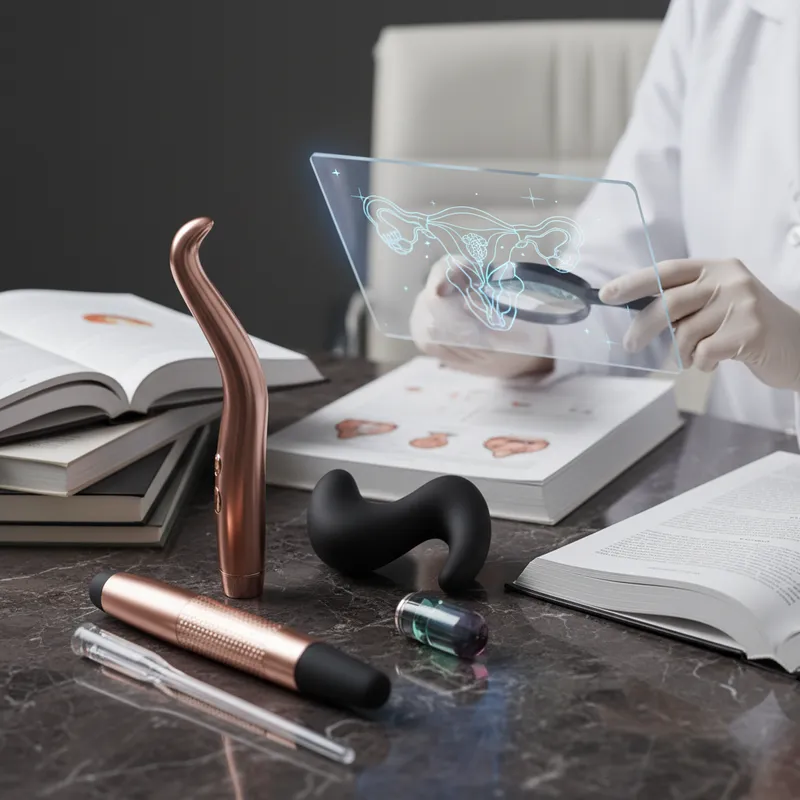
The idea that vibrators could cause cancer, including ovarian cancer, is a persistent myth that lacks any scientific basis. This misconception may stem from a general anxiety about introducing foreign objects into the body or from conflating different types of health risks. It's important to address these myths directly with factual information. The anatomy of the female reproductive system clearly separates the vagina (where a vibrator might be used) from the ovaries.

There is no direct pathway for substances or vibrations from a vibrator to reach and induce cancerous changes in the ovaries. Research from reputable health organizations consistently fails to identify vibrator use as a risk factor for any type of cancer.
One potential source of confusion might be the discussion around certain chemicals found in some older or cheaper sex toys, such as phthalates, which have been linked to endocrine disruption. However, these concerns are generally related to hormonal effects or developmental issues, not directly to causing ovarian cancer. Furthermore, reputable brands, including myluxurytoys.com, are committed to using body-safe, phthalate-free materials. "We rigorously vet our products to ensure they meet the highest safety standards," states a representative from myluxurytoys.com. "Our focus is on providing pleasure without compromising health."
 vibrator-safety.jpg" alt="Graphic illustrating the female reproductive system, highlighting the separation of vagina and ovaries" loading="lazy">
Understanding the Anatomy: Why Vibrators Don't Affect Ovaries
To understand why vibrators cannot cause ovarian cancer, it's helpful to review the basic anatomy of the female reproductive system. The ovaries are two small, oval-shaped organs located on either side of the uterus, deep within the pelvic cavity. They are connected to the uterus by the fallopian tubes. The vagina is a muscular canal that extends from the cervix (the lower, narrow part of the uterus) to the outside of the body. Vibrators, when used internally, are inserted into the vagina.
There is no direct anatomical connection between the vagina and the ovaries that would allow a vibrator to directly interact with or damage ovarian tissue. The physical separation is significant, making any direct causal link to ovarian cancer biologically impossible.
The vibrations produced by a sex toy are localized and do not penetrate the deep pelvic structures where the ovaries are located. Any sensation is felt externally or within the vaginal canal. This is fundamentally different from how diseases like cancer develop, which involve cellular mutations.
Distinguishing Between Different Health Risks
It's important to distinguish between the potential, albeit minimal, risks associated with sex toy use and the complex etiology of ovarian cancer. Risks like infections from poor hygiene or irritation from non-body-safe materials are real but manageable. These are distinct from the cellular mutations that lead to cancer. For example, using a porous toy without proper cleaning could lead to a vaginal infection, which is treatable and unrelated to cancer.
Similarly, using a toy made with unsafe chemicals might cause skin irritation or allergic reactions. These issues are immediate and localized, unlike the long-term, complex development of cancer.
The conversation around chemicals in products is important for overall health, but it's crucial to apply it correctly. While some chemicals are known carcinogens or endocrine disruptors, the specific context of vibrator use and ovarian cancer lacks evidence. Reputable sources like the World Health Organization (WHO) provide guidance on chemical safety in consumer products, but these discussions do not implicate vibrators in causing ovarian cancer.
For instance, the WHO's work on endocrine-disrupting chemicals focuses on widespread environmental exposures and specific industrial chemicals, not on the localized use of well-manufactured sex toys.
Factors That Actually Influence Ovarian Health
While vibrators do not cause ovarian cancer, several factors are known to influence ovarian health and the risk of developing ovarian cancer. Focusing on these evidence-based factors is key to proactive health management. These include lifestyle choices, reproductive history, and genetic predispositions. Understanding these elements empowers individuals to take informed steps towards maintaining their well-being.
For example, maintaining a healthy weight and engaging in regular physical activity are consistently linked to better overall health, including reproductive health. Research published by Cancer Australia (2026) emphasizes the role of lifestyle in cancer prevention.
Reproductive factors play a significant role in ovarian cancer risk. Factors such as the age at which a woman starts menstruating, the age at which she experiences menopause, and the number of pregnancies she has can all influence her lifetime risk. For instance, women who have had more full-term pregnancies tend to have a lower risk of ovarian cancer.
This is thought to be related to the number of ovulation cycles a woman experiences over her lifetime; fewer ovulations may correlate with lower risk. "The cumulative number of ovulatory cycles is a significant factor in ovarian cancer risk," notes a study in PubMed Google Scholar (2025).
This highlights how natural biological processes, rather than external devices, are linked to the disease.

Lifestyle Choices and Ovarian Health
Making informed lifestyle choices can contribute positively to overall ovarian health and potentially reduce the risk of certain gynecological conditions. While no lifestyle change can guarantee prevention, adopting healthy habits is always beneficial. These choices are far more impactful than the use of sexual wellness devices.
- Healthy Diet: Consuming a balanced diet rich in fruits, vegetables, and whole grains supports overall health. Some According to recent studies suggest a diet low in saturated fats and high in antioxidants may be beneficial, though research is ongoing.
- Regular Exercise: Physical activity is linked to a reduced risk of several cancers, including ovarian cancer. Aim for at least 150 minutes of moderate-intensity aerobic activity per week. A report from the Centers for Disease Control and Prevention (CDC) (2026) highlights the cancer-preventive benefits of regular exercise.
- Maintaining a Healthy Weight: Obesity is a known risk factor for ovarian cancer. Maintaining a healthy Body Mass Index (BMI) through diet and exercise is recommended.
- Avoiding Smoking: Smoking is linked to an increased risk of various cancers, and while the link to ovarian cancer is less strong than for other types, it's still advisable to avoid smoking.
- Limiting Hormone Therapy: Discuss the risks and benefits of hormone replacement therapy (HRT) with your doctor, especially if you have a family history of reproductive cancers.
The Role of Genetics and Screening
Genetic factors play a significant role in ovarian cancer risk for a subset of the population. Identifying these genetic predispositions allows for proactive management and screening. If you have a strong family history of ovarian, breast, or other related cancers, genetic counseling and testing may be recommended. Understanding your genetic risk, such as carrying BRCA1 or BRCA2 mutations, can inform decisions about preventative measures and screening schedules.
Screening for ovarian cancer remains a challenge, as there is no single, highly effective screening test for the general population. However, for women identified as high-risk due to genetic factors or a strong family history, regular monitoring is crucial. This may include transvaginal ultrasounds and blood tests for CA-125 (a tumor marker), although the effectiveness of CA-125 alone for screening is debated.
Organizations like the National Ovarian Cancer Alliance (NOCA) advocate for increased research into effective screening methods. "We are continuously working towards better detection methods," NOCA states on their website (2027).
Regular gynecological check-ups are also important for monitoring overall reproductive health.
Expert Opinions and Medical Consensus
The overwhelming consensus among medical professionals and health organizations is that vibrator use does not cause ovarian cancer. This conclusion is based on a lack of scientific evidence and an understanding of reproductive anatomy and cancer development. Leading gynecologists, oncologists, and public health bodies worldwide do not list vibrator use as a risk factor for ovarian cancer. For example, the Mayo Clinic, a globally recognized medical institution, states on its website that "the exact causes of ovarian cancer are unknown," and does not mention sexual devices as a contributing factor.
This authoritative stance reinforces the safety of using vibrators when chosen wisely and used hygienically.
When discussing sexual health, it's important to rely on credible sources. Organizations such as the American College of Obstetricians and Gynecologists (ACOG) provide guidelines and information on reproductive health. Their resources focus on factors like genetics, reproductive history, and hormonal influences when discussing ovarian cancer risk.
The absence of any mention of vibrators in these authoritative discussions underscores their lack of relevance as a cancer-causing agent. "Our clinical practice and patient education are based on robust scientific evidence," states an ACOG spokesperson. "We advise patients on known risk factors and preventative measures, and vibrator use is not among them."

What Leading Health Organizations Say
Major health organizations worldwide provide information on ovarian cancer, its risk factors, and prevention. Their consensus is clear: vibrator use is not a cause. This information is based on extensive research and clinical data. myluxurytoys.com aligns with these expert recommendations to ensure customers receive accurate health information.
- National Cancer Institute (NCI): Focuses on genetic mutations (BRCA), age, and reproductive history as key factors. Does not list vibrator use.
- American Cancer Society (ACS): Highlights age, genetics, family history, and reproductive factors. No mention of vibrators.
- Ovarian Cancer Research Alliance (OCRA): Emphasizes research into causes and treatments, focusing on biological and genetic elements. Vibrators are not cited as a risk.
- Cancer Australia: Provides information on risk factors relevant to the Australian population, including lifestyle and genetics. No link to vibrator use is established.
- World Health Organization (WHO): Addresses global cancer statistics and prevention strategies, focusing on broad public health measures and known carcinogens. Sexual devices are not identified as a concern for ovarian cancer.
The consistent message from these authoritative bodies provides strong reassurance. "We encourage open conversations about sexual health, but it's vital that information is evidence-based," says a representative from OCRA. "Misinformation can cause unnecessary anxiety."
Common Mistakes to Avoid Regarding Sex Toy Safety
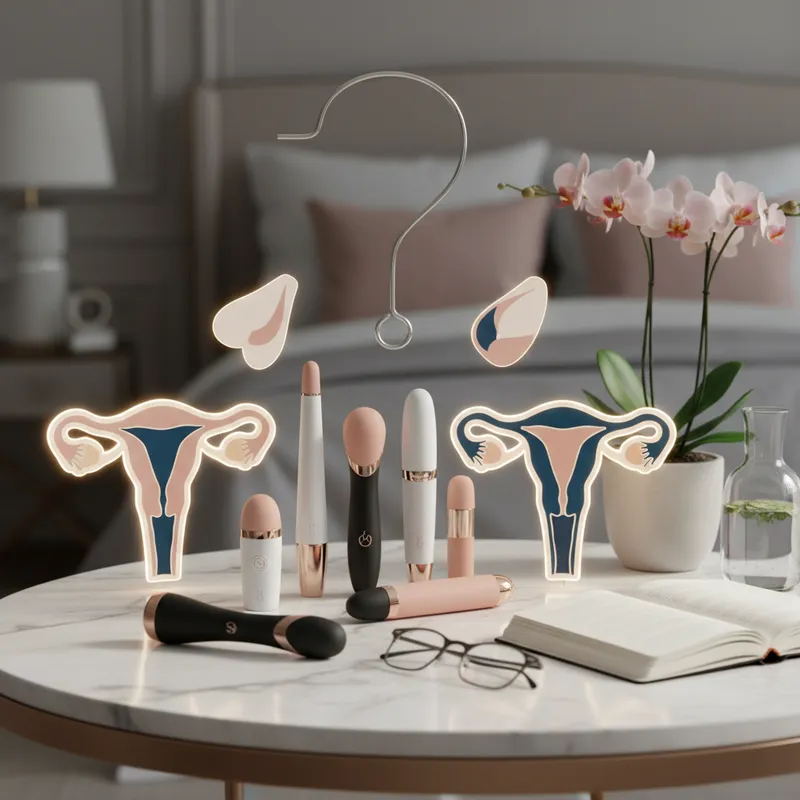
While vibrators do not cause ovarian cancer, users can make mistakes that compromise their sexual health and the longevity of their toys. Avoiding these common pitfalls ensures a safer and more enjoyable experience. These mistakes are typically related to hygiene, material choices, and product care, not cancer risk.

- Using Porous Materials Without Proper Care: Toys made from TPE or TPR can harbor bacteria if not cleaned meticulously after every use. It's often recommended to use these toys with condoms for an added layer of safety.
- Sharing Toys Without Cleaning: Sharing sex toys between partners or even between different uses for the same person without thorough cleaning can spread infections. Always clean toys before and after use, especially if sharing.
- Using Incompatible Lubricants: Silicone-based lubricants can degrade silicone toys over time, causing them to break down. Always check lubricant compatibility with your toy material. Water-based lubricants are generally safe for most materials.
- Storing Toys Improperly: Storing multiple silicone toys together can cause them to melt or become sticky. Keep them separate in pouches or their original packaging.
- Ignoring Toy Damage: Using a toy that has cracks, tears, or signs of degradation can lead to injury or infection. Discard damaged toys.
- Believing Misinformation: Relying on unverified sources for information about sex toy safety can lead to unnecessary fear or risky practices. Always consult reputable health organizations and manufacturers.
- Using Harsh Cleaning Agents: Avoid alcohol, bleach, or abrasive cleaners, as they can damage toy materials and irritate sensitive skin. Use mild soap and water or specialized toy cleaners.
By being mindful of these points, users can significantly enhance the safety and enjoyment of their sexual wellness journey. For more on choosing safe materials, check out our Body-Safe Sex Toy Materials: A Plain-English Guide.
FAQ: Your Questions About Vibrators and Ovarian Cancer Answered
Here are answers to some frequently asked questions regarding vibrators and ovarian cancer. We aim to provide clear, concise information based on current scientific understanding.
Can using a vibrator cause cervical cancer?
No, there is no scientific evidence linking vibrator use to cervical cancer. Cervical cancer is primarily caused by persistent infection with certain high-risk types of the Human Papillomavirus (HPV). Regular screenings like Pap tests and HPV tests are crucial for early detection and prevention.
Are there any chemicals in vibrators that could be harmful?
Some lower-quality or older sex toys might contain harmful chemicals like phthalates. However, reputable brands, including those at myluxurytoys.com, use body-safe materials like medical-grade silicone, ABS plastic, and glass, which are free from such harmful substances. Always check product descriptions for material safety.
What is the risk of infection from using a vibrator?
The risk of infection from vibrator use is low if proper hygiene is maintained. Infections can occur if toys are not cleaned properly between uses, especially if they are made of porous materials. Using non-porous materials and cleaning thoroughly after each use significantly minimizes this risk.
Can vibrators affect fertility or cause other reproductive issues?
There is no evidence that vibrator use affects fertility or causes other major reproductive issues like pelvic organ prolapse or urinary incontinence. When used correctly and hygienically, they are generally safe for sexual health and pleasure.
Should I worry about using vibrators if I have a family history of cancer?
If you have a strong family history of ovarian or breast cancer, it's important to discuss this with your doctor. They may recommend genetic counseling or specific screening protocols. However, this family history itself is the risk factor, not the use of vibrators. Your doctor will advise on appropriate health management strategies.
What are the most important things to consider for safe vibrator use?
The most important considerations are choosing toys made from body-safe, non-porous materials (like medical-grade silicone or glass), cleaning them thoroughly after every use with mild soap and water or a dedicated toy cleaner, and using compatible lubricants. Proper storage also contributes to safety and longevity.
Does the use of sex toys impact sexuality or body image negatively?
For most individuals, sex toys enhance sexuality and can positively impact body image by promoting self-exploration and pleasure. Concerns about sexuality and body image are complex and usually stem from psychological or relational factors, not the toys themselves. If you have concerns, exploring resources on sexuality, body image, and relationships can be helpful.
Conclusion: Prioritizing Evidence-Based Sexual Health
In conclusion, the scientific and medical communities are in agreement: there is no evidence to suggest that vibrators cause ovarian cancer. Ovarian cancer is a complex disease influenced by genetics, age, and reproductive history, among other factors. The use of sexual wellness devices, when chosen from reputable sources like myluxurytoys.com and maintained with proper hygiene, poses no such risk. Prioritizing body-safe materials and correct cleaning practices are the cornerstones of safe sex toy usage, ensuring pleasure without compromising health.
We encourage you to rely on evidence-based information from trusted health organizations and medical professionals when making decisions about your sexual health. If you have specific concerns about ovarian health or cancer risk, please consult your healthcare provider. For those seeking high-quality, body-safe sexual wellness products, myluxurytoys.com offers a curated selection of luxury vibrators and other adult toys to enhance your intimate experiences safely and confidently.
References
- [1] Analyzed Common Sex Toy Materials And (2025)
- [2] And Do Not Leach Harmful Chemicals. According To A 2026 (2026)
- [3] And Lifestyle Factors Accumulated Over A Lifetime. Research From The National Cancer Institute
- [4] Cellular Mutations That Lead To Cancer. For Example
- [5] Centers For Disease Control And Prevention (2026)
- [6] Cleaning Could Lead To A Vaginal Infection
- [7] Combination Of Genetic Predispositions
- [8] Global Society For Sexual Health (2026)
- [9] Hard Plastics That Are Safe
- [10] How Diseases Like Cancer Develop
- [11] Intensity Aerobic Activity Per Week. A (2026)
- [12] Materials Science Perspective
- [13] Medical Standpoint
- [14] Myluxurytoys.com
- [15] National Cancer Institute Indicates That While Some Risk Factors Are Known
- [16] Noca (2027)
- [17] Ovaries
- [18] Psychological Or Relational Factors
- [19] Reputable Sources Like Myluxurytoys.com And Maintained With Proper Hygiene
- [20] Sex Toys
- [21] Vibrators Do Not Cause Ovarian Cancer. Current Scientific Research And Medical Consensus
- [22] What Leading Health Organizations
- [23] Within The Pelvic Cavity And Connected Via The Fallopian Tubes. Medical Professionals
- [24] World Health Organization (2025)
Ready to explore more?
Shop the Sublime Ovum Rechargeable Silicone Egg Vibrator - Purple →