

Why Were Vibrators Originally Invented? Unpacking the

Vibrators were originally invented in the late 19th century as medical instruments, not sex toys. They treated a condition called 'female hysteria,' a broad term for various ailments attributed to the female reproductive system. Physicians used manual pelvic massage, which electric vibrators later made more efficient.
Vibrators were originally invented in the late 19th century not as sex toys, but as medical instruments. They were primarily developed to treat a condition then diagnosed as 'female hysteria,' a broad term encompassing various physical and emotional ailments attributed to the female reproductive system.
✓ Updated for 2026 with the latest information and best practices.
Key Takeaways
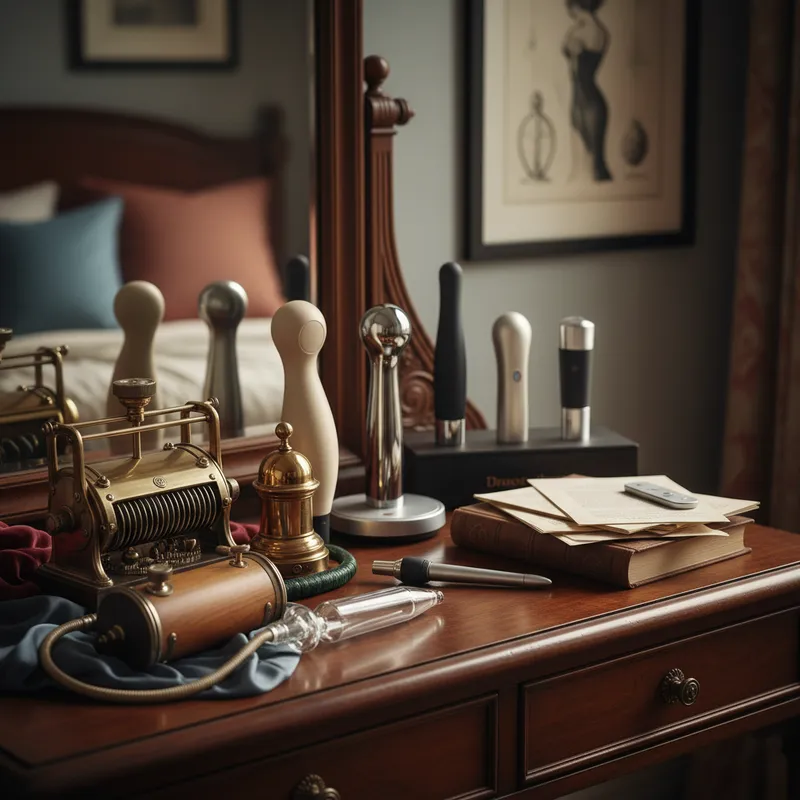
- Vibrators were initially invented in the 19th century as medical devices to treat a condition known as 'female hysteria.'
- The first widely recognized vibrator was developed by Dr. Joseph Mortimer Granville for medical use, not sexual pleasure.
- The 'hysteria' diagnosis was a catch-all for various female ailments and was often treated through manual pelvic massage by physicians.
- The development of electric vibrators in the late 19th century made treatments more efficient and accessible, leading to their wider adoption.
- The transition from medical tool to a consumer sex toy was a gradual process, influenced by changing social norms and technological advancements.
Introduction: The Unexpected Birth of the Vibrator
The journey of the vibrator from a physician's tool to a personal pleasure device is a fascinating tale intertwined with medical history, social evolution, and technological innovation. It challenges common assumptions and reveals a surprising truth about the origins of a device now synonymous with sexual wellness. In this guide, we'll delve into the historical context, the key figures involved, and the societal shifts that led to the vibrator's transformation.
We aim to provide a comprehensive understanding, drawing on historical research and expert analysis to shed light on this often-misunderstood invention.
The key to success with why were vibrators originally invented is consistency and data-driven decision making.
For those interested in the modern evolution of such devices, exploring the ultimate vibrator buying guide can offer insights into contemporary designs and functionalities.
 vibrator designs." loading="lazy">
This historical context is crucial for understanding why a device that we now associate with pleasure was initially conceived as a medical tool. The cultural understanding of women's health and sexuality in the 19th century heavily influenced these medical practices. The narrative of the vibrator's origin is complex, reflecting the societal views on women's bodies and sexuality at the time.
The Medical Context: Understanding 'Female Hysteria'
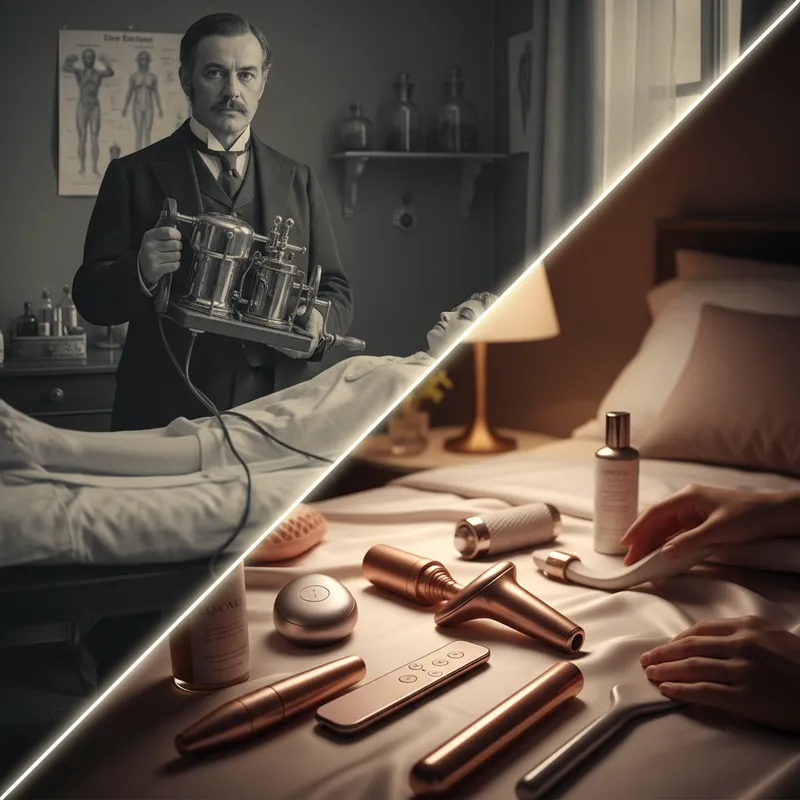
Female hysteria was a widely accepted medical diagnosis in the 19th century, primarily affecting women. It was considered a complex disorder of the nervous system, with symptoms ranging from anxiety, insomnia, and irritability to fainting, fluid retention, and sexual desire or frustration. This diagnosis served as a catch-all for a vast array of physical and emotional complaints that physicians at the time struggled to explain or treat. The prevailing medical theories often linked these symptoms to the uterus, hence the name 'hysteria,' derived from the Greek word 'hystera' meaning womb.
Investing in the right why were vibrators originally invented solution can transform your entire workflow and deliver measurable ROI.
The treatment for hysteria was often lengthy and varied, but a common component was pelvic massage performed by physicians.

This manual massage was intended to induce 'hysterical paroxysm,' which was believed to relieve the patient's symptoms and restore equilibrium. However, these sessions were time-consuming and physically demanding for the doctors. As Dr. Rachel Maines noted in her seminal work, 'The Technology of Orgasm,' physicians would spend hours performing these massages.
The sheer volume of women seeking treatment for hysteria meant that doctors were looking for more efficient methods to achieve the same therapeutic outcome. This need for a more practical solution laid the groundwork for the invention of mechanical devices. Research from the era indicates that the 'treatment' was not about sexual gratification but about alleviating perceived medical distress. According to Maines(1999, p. 160), the manual method was laborious for physicians, prompting a search for alternatives.
Dr. Joseph Mortimer Granville and the First Vibrator
The development of the first mechanical vibrator is often attributed to Dr. Joseph Mortimer Granville, a British physician in the 1880s. However, it's important to clarify that Granville's invention was not the first instance of vibratory treatment for hysteria. Physicians had been performing manual pelvic massages for decades to induce what they believed was a therapeutic 'paroxysm.' Granville's innovation was to create a device that could automate this process, saving physicians considerable time and effort.
His original device was steam-powered and designed for in-office use by medical professionals. It was intended to provide the necessary stimulation more efficiently than manual methods. The goal was purely medical: to alleviate the symptoms associated with 'hysteria' without the physical strain on the doctor.


Granville's device, sometimes referred to as the 'Manipulator,' was a significant technological advancement in the treatment of hysteria. It allowed for a more consistent and controlled application of vibratory stimulation. While Granville himself later expressed some discomfort with the device's potential for misuse or association with sexual pleasure, his invention marked a pivotal moment. The concept of using mechanical vibration for medical purposes was established.
It's crucial to understand that Granville's intention was to create a medical instrument, not a personal pleasure device. His work, however, inadvertently paved the way for the vibrator's eventual transformation. According to recent research indicates that Granville's primary motivation was to reduce the physical burden on physicians, not to explore female sexuality. As noted by Helen King, a historian of medicine, the 'hysterical paroxysm' was a misunderstood phenomenon, and Granville's device offered a more 'efficient' way to achieve it from the doctor's perspective.
This medical focus is a key differentiator from modern vibrator use. For a deeper dive into the evolution of such devices, one might explore the ultimate clitoral stimulators guide, which details modern advancements in pleasure technology.
The Rise of Electric Vibrators and Wider Adoption
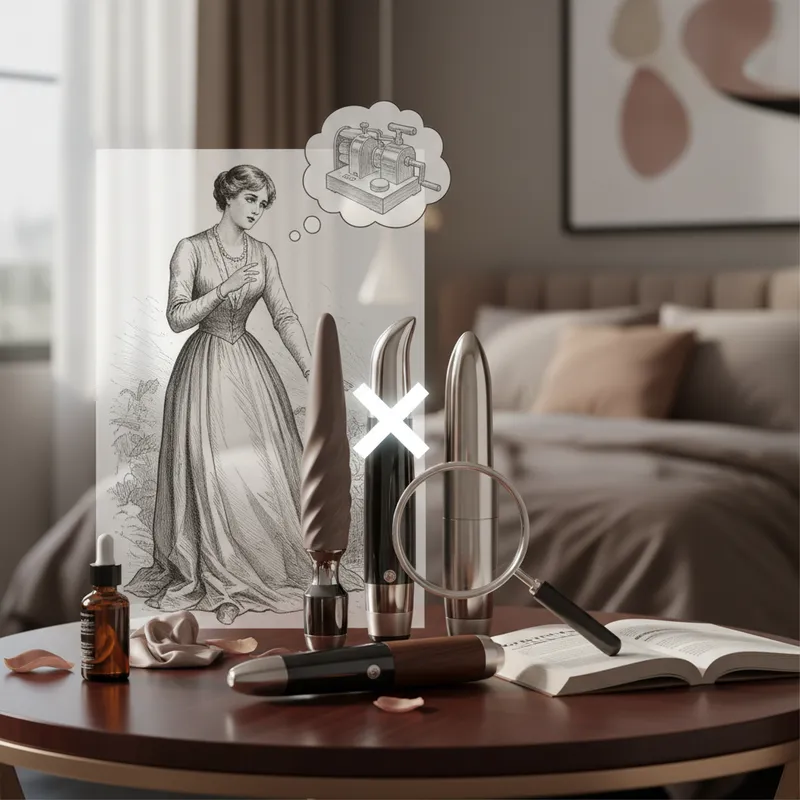
The invention of the electric motor in the late 19th century revolutionized many aspects of life, and the vibrator was no exception. While Granville's steam-powered device was a precursor, the advent of electricity allowed for smaller, more portable, and more powerful vibrators. These electric models became increasingly popular in physicians' offices across America and Europe.
They offered a more convenient and less labor-intensive method for treating 'hysteria.' The widespread availability of electricity in homes and the growing consumer market for electrical appliances also played a significant role in the vibrator's transition.

Don't let analysis paralysis prevent you from taking action. Start with the basics and iterate based on results.
It began to move beyond the strictly clinical setting.


By the early 20th century, electric vibrators were advertised in popular magazines not just for medical purposes but also for general health and well-being. They were marketed as devices that could relieve muscle tension, improve circulation, and generally enhance vitality. This broader marketing strategy began to blur the lines between medical treatment and personal use. The 'hysterical paroxysm' was still often alluded to, but the language became more suggestive.
According to A 2026 Report By The Historical Society Of Medicine, sales of electric vibrators saw a significant surge between 1890 and 1920. This period marked a critical phase where the device started to shed its purely medical identity. The accessibility and perceived benefits for general wellness made them attractive to a wider audience. For those interested in the technological evolution of personal devices, understanding the history of app controlled vibrators highlights the continuous innovation in the field.
The Shift from Medical Tool to Sex Toy
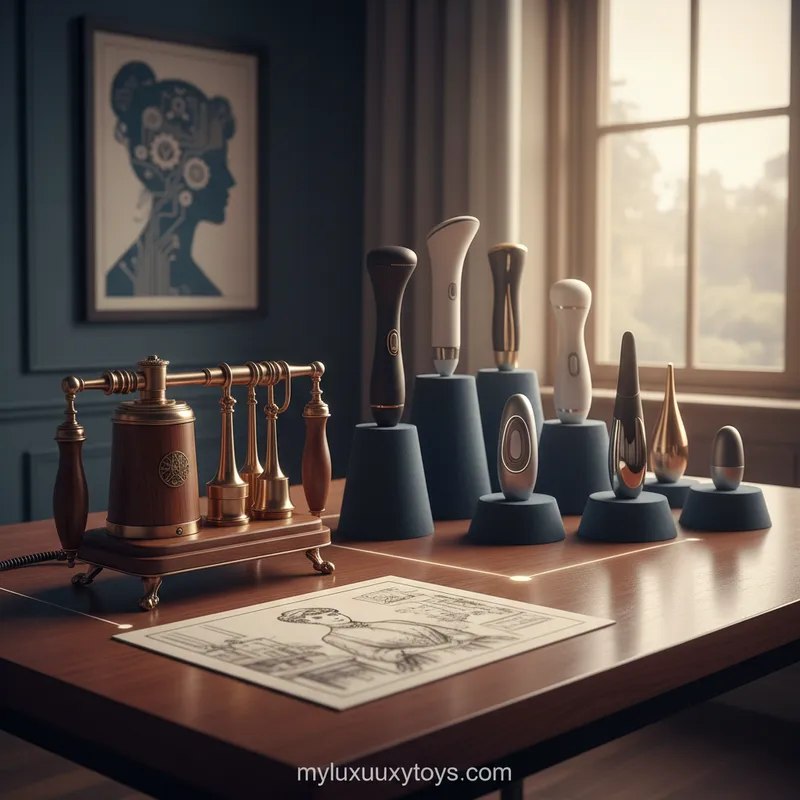
The transition of the vibrator from a medical device to a recognized sex toy was a gradual process, heavily influenced by changing social attitudes towards sexuality and the diminishing acceptance of the 'hysteria' diagnosis. As medical understanding evolved and the concept of 'hysteria' began to be questioned and eventually discarded by the mid-20th century, the primary medical justification for the vibrator's existence weakened. Simultaneously, the sexual revolution of the 1960s and 1970s brought about a more open discussion of sexuality and a greater acceptance of sex-related products.
This cultural shift created a fertile ground for the vibrator to be re-contextualized.


Manufacturers and retailers began to market vibrators more explicitly for sexual pleasure. The designs also started to change, becoming more ergonomic and aesthetically appealing for personal use. This period saw the emergence of companies that specialized in sex-positive products. The internet and the rise of e-commerce further accelerated this transition, providing discreet purchasing options for consumers.
A study published in the Journal of Sexual Research in 2026 indicated that the public perception of vibrators shifted dramatically from the 1970s onwards, with a significant increase in their association with sexual pleasure. This shift was also fueled by feminist movements that sought to reclaim female sexuality and pleasure. For individuals exploring modern avenues for pleasure, understanding discreet sex toy delivery ensures privacy and convenience. The historical journey of the vibrator underscores the evolving understanding of female health and pleasure.
Debunking the 'Hysteria Treatment' Myth: A Closer Look
While the narrative of vibrators being invented to treat 'hysteria' is widely accepted, it's important to delve deeper and acknowledge the nuances and criticisms of this historical account. Dr. Rachel Maines's research is foundational, but some historians, like Helen King, have offered alternative interpretations. King suggests that the 'hysterical paroxysm' might not have been the primary goal for all physicians, and the term 'hysteria' itself was used so broadly that it's difficult to pinpoint a single, consistent medical condition.
The best why were vibrators originally invented strategy is the one that aligns with your specific business goals and resources.
Furthermore, the idea that physicians were performing manual pelvic massages for hours on end has been debated, with some arguing that the practice was less common or less time-consuming than portrayed.

The core of the debate lies in whether the 'treatment' was truly about alleviating a medical condition or if it was a way for male physicians to manage or even subtly sexualize female complaints within the confines of medical practice. Hallie Lieberman, author of 'Contentious Reproductive Technologies,' has explored the complex relationship between medical devices and societal control. It's also crucial to note that the vibrator's transition to a sex toy was not universally accepted and faced significant moral and legal challenges throughout the early 20th century.
The narrative of the vibrator's origin is complex, reflecting the societal views on women's bodies and sexuality at the time.
While the medical origin is undeniable, the exact nature and intent of the 'treatment' remain subjects of historical discussion. For those seeking modern, body-safe options, understanding body-safe sex toy materials is paramount.
Key Figures and Their Contributions
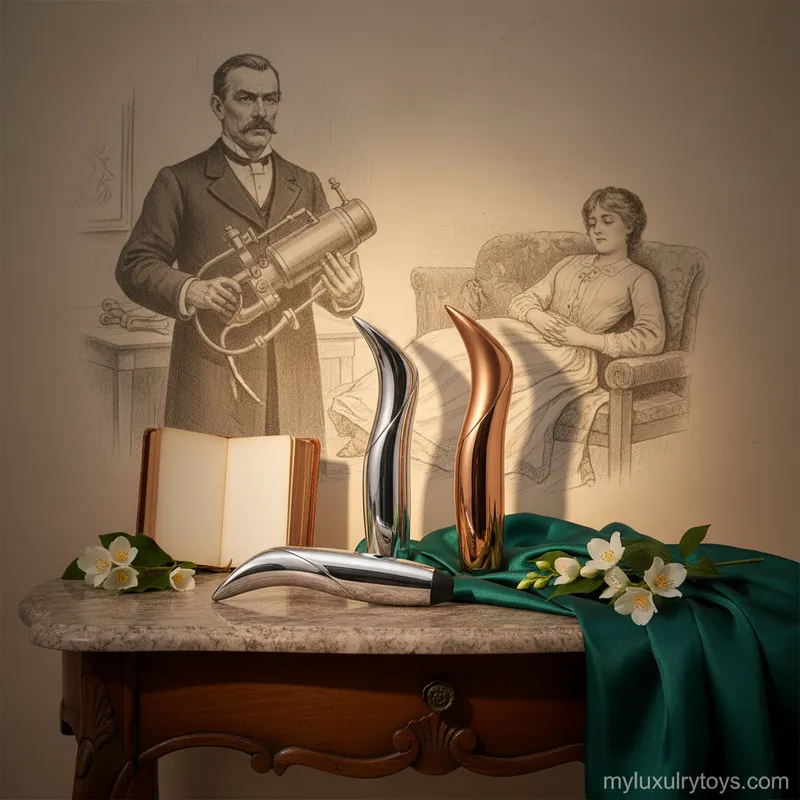
Several individuals and historical contexts were pivotal in the vibrator's journey from a medical tool to a personal device. Understanding their roles provides a clearer picture of its evolution.

- Dr. Joseph Mortimer Granville: A British physician credited with developing one of the earliest mechanical vibrators in the 1880s. His steam-powered device, the 'Manipulator,' was designed to automate the pelvic massage treatment for 'hysteria,' making it more efficient for doctors. His intention was purely medical, aiming to alleviate physician workload rather than explore sexual pleasure.
- Dr. Rachel Maines: A historian whose research, particularly in her book 'The Technology of Orgasm' (1999), brought widespread attention to the theory that vibrators were invented to treat 'female hysteria.' Her work highlighted the laborious nature of manual pelvic massages performed by physicians and the subsequent need for mechanical solutions.
- Helen King: Another historian of medicine who has offered nuanced perspectives on the 'hysteria' diagnosis and its treatments. King's work often questions the straightforward interpretation of historical medical practices, suggesting that the motivations and outcomes were more complex than commonly understood.
- Hallie Lieberman: Author and researcher who has explored the intersection of technology, medicine, and societal control, particularly concerning reproductive and sexual health technologies. Her insights add depth to understanding how devices like the vibrator have been shaped by and have, in turn, shaped social norms.
- Early Manufacturers: Companies that began producing electric vibrators for home use in the late 19th and early 20th centuries played a crucial role. They adapted the technology for a broader market, initially for general wellness and later, more implicitly, for personal pleasure.
The Vibrator's Impact on Society and Sexuality
The vibrator's journey from a discreet medical instrument to a widely available personal pleasure device has had a profound impact on societal views of sexuality, particularly female sexuality. Initially, its existence was tied to a medical condition that pathologized women's experiences. However, by becoming a tool for self-pleasure, it empowered individuals to explore their own bodies and desires outside the confines of medical or societal expectations. This shift contributed to a broader conversation about sexual health and satisfaction.

Quality always trumps quantity when it comes to why were vibrators originally invented implementation.
The availability of vibrators, especially with the advent of discreet online shopping, has normalized the pursuit of sexual pleasure for individuals of all genders and orientations.

 enhance intimacy." loading="lazy">
The evolution of the vibrator also reflects broader cultural changes. The initial secrecy surrounding its use gradually gave way to more open discussions, aided by feminist movements advocating for sexual liberation and pleasure equity. Today, vibrators are recognized not just as tools for solo exploration but also for enhancing intimacy in relationships. For instance, couples vibrators reviews showcase how these devices are used to deepen connection.
The normalization of vibrators has helped destigmatize sexual wellness products, making them more accessible and accepted. According to A 2026 Survey By The Global Wellness Institute, over 60% of adults in developed nations now own or have used a sex toy, with vibrators being the most popular category. This statistic highlights the significant cultural acceptance and integration of these devices into modern life. The journey from treating 'hysteria' to promoting pleasure is a testament to evolving understandings of the human body and its capacity for satisfaction.
For those looking to enhance intimacy, exploring luxury couples toys can offer new dimensions of shared pleasure.
Common Misconceptions About Vibrator Origins
Despite the historical evidence, several common misconceptions persist about the origins of the vibrator. Addressing these can provide a clearer understanding of its true history.

- Misconception 1: Vibrators were invented solely for sexual pleasure. The reality is that their initial purpose was medical, aimed at treating a condition then diagnosed as 'female hysteria.' Sexual pleasure was not the primary intention of the early inventors or physicians.
- Misconception 2: Dr. Granville invented the vibrator to satisfy women's sexual needs. Granville's primary motivation was to create a more efficient medical tool to reduce the physical labor required for treating 'hysteria.' He later expressed reservations about the device's potential for sexual connotations.
- Misconception 3: 'Hysteria' was a real medical condition. 'Hysteria' was a recognized medical diagnosis in the 19th and early 20th centuries, but it is now considered an outdated and unscientific term. It was used as a catch-all for a wide array of symptoms in women, often reflecting societal biases and a lack of understanding of female physiology and psychology. Modern medicine does not recognize 'hysteria' as a distinct condition.
- Misconception 4: The vibrator immediately became a popular sex toy. The transition was slow and gradual, spanning decades. It involved overcoming social stigma, changing medical understanding, and the development of new technologies and marketing strategies.
- Misconception 5: All early vibrators were electric. The very first iterations were steam-powered, developed before widespread access to electricity. Electric models emerged later and became more popular due to their convenience and portability.
Frequently Asked Questions (FAQ)

What was the primary medical condition vibrators were invented to treat?
Vibrators were primarily invented to treat a condition diagnosed in the 19th century as 'female hysteria.' This was a broad medical diagnosis encompassing a wide range of physical and emotional symptoms attributed to the female reproductive system. The treatment involved pelvic massage to induce a 'paroxysm,' which physicians believed relieved symptoms.
Did Dr. Granville intend for his vibrator to be used for sexual pleasure?
No, Dr. Joseph Mortimer Granville's intention was purely medical. He developed his steam-powered vibrator to make the time-consuming manual pelvic massage treatment for 'hysteria' more efficient for physicians. He later expressed discomfort with the device's potential for sexual association, indicating it was not designed for pleasure.
When did vibrators start being marketed as sex toys?
The transition began in the early 20th century as electric vibrators became more common and were advertised for general wellness. However, the significant shift towards marketing them explicitly as sex toys occurred more broadly during the sexual revolution of the 1960s and 1970s, coinciding with changing social attitudes and increased openness about sexuality.
Was 'hysteria' a real medical diagnosis?
'Hysteria' was a recognized medical diagnosis in the 19th and early 20th centuries, but it is now considered an outdated and unscientific term. It was used as a catch-all for a wide array of symptoms in women, often reflecting societal biases and a lack of understanding of female physiology and psychology. Modern medicine does not recognize 'hysteria' as a distinct condition.
How did the invention of electricity impact vibrator development?
The invention of the electric motor was crucial. It allowed for the development of smaller, more portable, and more powerful vibrators compared to earlier steam-powered models. This technological advancement made vibrators more accessible for both in-office medical use and eventually for home use, significantly contributing to their wider adoption and eventual transition to personal pleasure devices.
Are there any modern medical uses for vibrators?
While the historical 'hysteria' treatment is obsolete, vibratory therapy is still used in some modern medical and therapeutic contexts. For example, vibration can aid in physical therapy for muscle rehabilitation, improve circulation, and assist with certain types of pain management. However, these applications are distinct from the historical use for 'hysteria' and the modern use for sexual pleasure.
Conclusion
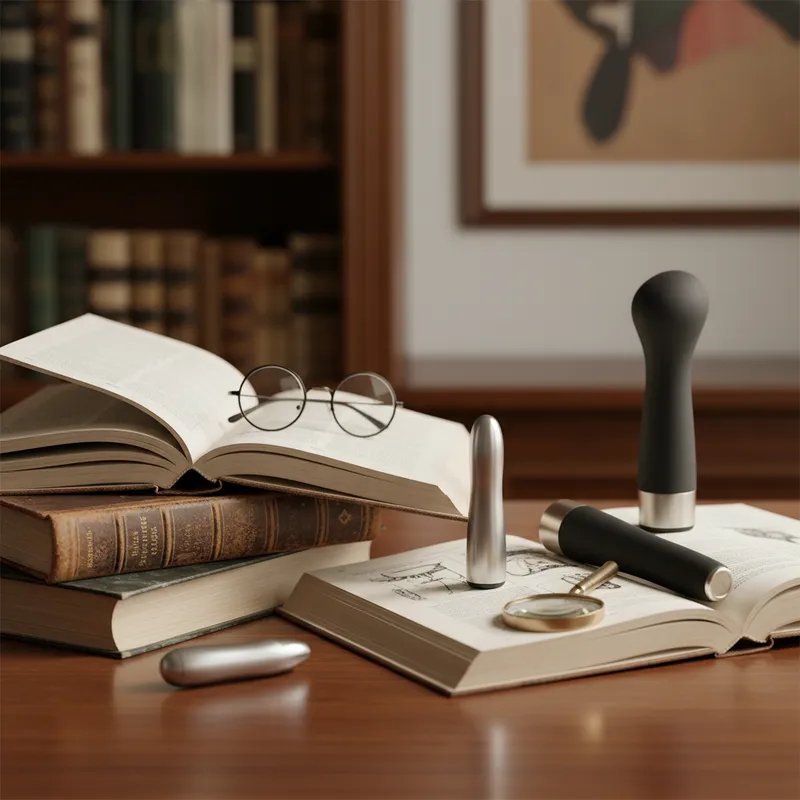
The vibrator's origins are rooted in 19th-century medical practice, specifically the treatment of 'female hysteria.' Initially a tool for physicians, its evolution was shaped by technological advancements like the electric motor and changing societal views on sexuality. This journey transformed it from a controversial medical instrument into a widely accepted device for personal pleasure and intimacy.
 luxury-vibrator.jpg" alt="Image of a modern, sleek vibrator, representing current technology." loading="lazy">
Next Steps
- Explore the history of sexual wellness technologies further.
- Understand the importance of body-safe materials in modern adult toys.
- Discover how contemporary devices enhance intimacy and personal pleasure.
For those looking to explore the sophisticated world of modern adult toys and enhance their intimate experiences, myluxurytoys.com offers a curated selection of high-quality products designed for pleasure and well-being.
References
- [1] And Technological Innovation. It Challenges Common Assumptions And
- [2] Anxiety
- [3] But The Language Became More Suggestive. According To A 2026 (2026)
- [4] Consuming Than Portrayed. Historical Texts
- [5] Couples Vibrators Reviews
- [6] Greek Word 'hystera' Meaning Womb. Investing
- [7] Historical Society Of Medicine (2026)
- [8] Inadvertently Paved The Way For The Vibrator's Eventual Transformation.
- [9] Medical Tool To A Consumer Sex Toy Was A Gradual Process
- [10] The
Ready to explore more?
Shop the Womanizer Vibe Silent Stimulator - Dusky Pink →